recovery Archives - Atlantis | Tiptree

Why Swapping Your Workout for Sauna & Steam Is Smarter Than You Think

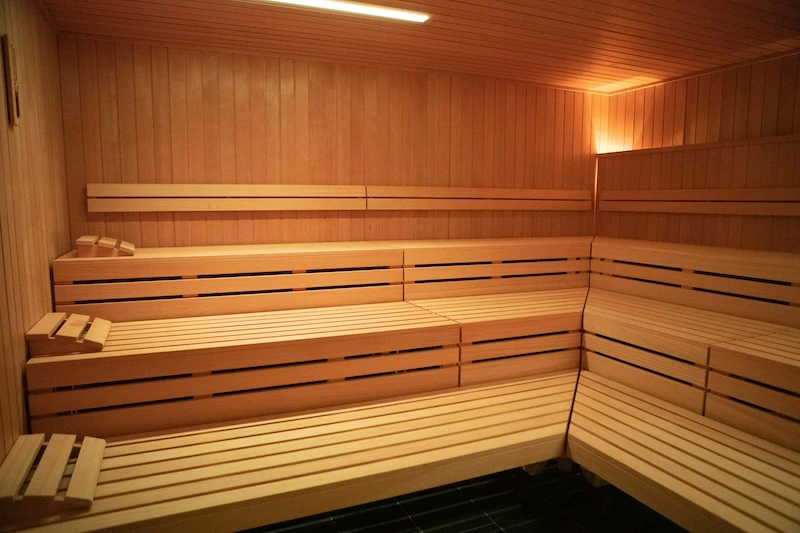
Warm wooden sauna interior at Atlantis Health & Beauty Spa, Tiptree

Sauna, Steam and Jacuzzi: Why Heat Recovery Actually Works

Short answer The sauna, steam room and jacuzzi aren’t a “nice extra” tacked onto a gym — they’re doing real recovery work. Heat exposure after training improves circulation, reduces next-day soreness, helps with sleep, and supports the mental wind-down that makes the gym a place you want to be rather than a chore. Below: the science, the differences between sauna and steam, how to use them properly, and the surprisingly long list of people who’d benefit from making it a regular habit.

There’s a quiet shift happening in fitness, and for once it’s good news for anyone who likes taking it easy: recovery is finally being treated as part of training, not a guilty afterthought. The performance science world — the people who actually work with elite athletes — have known for years that what you do between sessions matters as much as what you do during them. The rest of us are catching up.

And it turns out the sauna, steam room and jacuzzi you might have written off as a “nice extra” in our spa area are doing real, measurable work. Not just for muscle soreness — for cardiovascular health, sleep quality, stress regulation, and the mental break that makes any kind of consistent training possible.

Here’s what’s actually happening, and how to use it properly.

Your muscles grow on rest days, not session days

When you train, you create small amounts of muscle stress — tiny tears in the tissue, depletion of energy stores, accumulated by-products of hard work. The adaptation, the bit where you actually get stronger and fitter, doesn’t happen during the workout. It happens afterwards, while your body recovers and repairs.

Skipping recovery is a bit like baking a cake and taking it out before it sets. The ingredients were right, the heat was right, but you didn’t give it the time to become what it was supposed to become. The session created the stimulus. The recovery makes it count.

This is why the people who train hardest are often the ones who progress slowest. Their bodies never get the chance to adapt before the next stress arrives. The trick is to train hard and recover well — not pick one and skip the other.

The session creates the stimulus. The recovery makes it count. Skip the second part and you’re training for nothing.

What heat actually does for the body

The research on regular sauna use is genuinely impressive, and not the soft kind — it includes long-term studies of thousands of adults followed for decades. The findings are consistent:

  • Improved circulation. Heat expands blood vessels, pushing more oxygen and nutrients to muscles and helping clear the by-products of training that contribute to next-day stiffness.
  • Reduced muscle soreness. Post-workout heat exposure measurably reduces delayed-onset muscle soreness (DOMS) compared to no recovery intervention.
  • Cardiovascular benefit. Regular sauna use has been linked to lower risk of cardiovascular disease in long-term population studies. The Finnish research on this is particularly robust — they’ve been studying their own national sauna habit for years.
  • Improved sleep. The body cools rapidly after heat exposure, and that drop in core temperature is one of the strongest signals your brain uses to initiate sleep. Many people find an evening sauna session gives them noticeably better sleep that night.
  • Heat shock proteins. Regular heat exposure stimulates the production of proteins that help cells recover from stress — useful for muscle repair, but also linked to longevity research.
  • Stress hormone reduction. Time in the sauna lowers cortisol and increases the relaxation response. Twenty minutes in the heat does what an hour of trying to consciously unwind often can’t.

None of this is mystical. It’s straightforward physiology, well-documented, increasingly mainstream.

Sauna vs steam vs jacuzzi: what’s the difference?

The three feel similar from the outside — warm, relaxing, mildly indulgent. They do different things.

Sauna (dry heat)

Typically 70–90°C, low humidity. The dry air lets your body sweat efficiently, which is the main mechanism for the cardiovascular and recovery benefits. Most of the strongest research findings come from sauna specifically. Best for: post-training recovery, cardiovascular conditioning, sleep, deep stress release.

Steam room (wet heat)

Lower temperature (40–50°C), close to 100% humidity. The wet heat is gentler than a sauna and easier to tolerate for longer, with particular benefits for the respiratory system — congestion, sinus tension, dry winter air. Best for: respiratory comfort, gentler recovery, post-illness wind-down, hot-skin afterglow.

Jacuzzi (hot water immersion)

Warm water with jets, typically around 37–40°C. The hydrostatic pressure of the water itself reduces swelling and supports the cardiovascular system in a different way to dry heat. The jets provide soft muscular massage. Best for: muscle soreness, joint aches, lower-back stiffness, post-cardio loosening.

The combined effect

The classic spa sequence — sauna, then jacuzzi, then a few minutes in the steam — gives you the benefits of all three. Most members at Atlantis find their own rhythm within a few visits. There’s no “correct” order, just whatever feels best after the kind of session you’ve done.

The underrated mental side

Heat bathing is one of the few moments in a busy day where there’s genuinely nothing to do but sit still. No phone (it doesn’t like the heat anyway). No to-do list. No screen. No conversation, unless you want one. For a lot of people that ten-minute pause is the most valuable part of the whole visit.

It’s also one of the few socially acceptable ways for adults to do nothing in modern Britain. Sitting on the sofa with your eyes closed for fifteen minutes in the middle of the day feels indulgent. Sitting in a sauna for fifteen minutes is just “recovery,” which makes it permissible.

This matters more than people realise. A nervous system that’s constantly stimulated — emails, notifications, traffic, family logistics, work pressure — needs structured downtime to recalibrate. Heat bathing provides exactly that, in a way that’s harder to skip than “just trying to relax at home.”

It’s also a big reason why the gym becomes a place people want to be rather than a chore. The session is the work; the spa is the reward built into the same visit. Your brain learns to associate the whole experience with feeling good, not just effort.

How to use it well

Practical guidance for getting the most out of it:

  • Train first, recover after. Heat before training reduces your strength output and makes the session feel harder than it should. Use it as the wind-down, not the warm-up.
  • Hydrate properly. You lose fluid in the sauna and steam — sometimes a lot of it. Bring water. Drink before, during and after. A pinch of salt in the water afterwards isn’t a bad idea if you’ve sweated heavily.
  • Short, regular sessions beat one marathon sit. 10–15 minutes in the sauna is plenty for most adults. Pushing to 30+ minutes doesn’t add benefit and can leave you feeling drained for the rest of the day.
  • Cool down between sessions. If you’re doing multiple rounds, a short cool-down (cold shower, brief pool dip) between rounds is genuinely useful. The contrast itself is part of the benefit.
  • Pair it with a swim. A 20-minute easy swim followed by sauna and steam is one of the best “active recovery” days you can have — gentle on the body, restorative for the mind, and it absolutely counts as having shown up.
  • Don’t use it when you’re ill, very dehydrated, or pregnant without checking with your GP first. Most of the time it’s fine. Some of the time it isn’t.
The optimal-sounding routine (that’s actually doable): Three times a week, after your normal sessions: 12 minutes in the sauna, 5 minutes cooling down in the pool, 8 minutes in the jacuzzi, 5 minutes in the steam to finish. Total: 30 minutes of recovery work, on top of training you were already doing. Over six months, the cumulative effect on how you feel is real.

Common mistakes

  • Staying too long. If you’re lightheaded leaving the sauna, you went over your limit. Build up gradually.
  • Eating a huge meal beforehand. Heat shunts blood toward the skin to cool you, which interrupts digestion. Light snack at most.
  • Drinking alcohol around it. Alcohol and heat are both dehydrating. Combined, they’re a recipe for feeling awful. Save the drink for later or skip it entirely.
  • Skipping the cool-down at the end. Going straight from sauna to a hot car park leaves your nervous system unsettled. Allow 5 minutes of normal-temperature sitting before driving anywhere.
  • Bringing a phone in. Apart from the device damage, it defeats the purpose. Leave it in the locker.
  • Treating it as optional. If you’ve paid for spa access and only use it occasionally, you’re leaving most of the value on the table. The benefits come from consistency, not one-off visits.

Who especially benefits

  • Strength trainers — faster recovery between hard sessions, reduced next-day soreness
  • Endurance athletes — cardiovascular adaptation similar to (and additive with) cardio training itself
  • Desk workers — the heat-induced relaxation counteracts a day of low-level stress and physical tension
  • Older adults — gentle on joints, cardiovascular benefits, sleep improvements all matter more with age
  • Anyone with sleep issues — evening sauna sessions are one of the most reliable, drug-free sleep aids available
  • People going through stressful periods — the nervous system reset is genuinely restorative
  • Anyone recovering from minor illness — steam is particularly good for the respiratory system after a cold
  • Adults who need permission to do nothing — honestly, most of us

The Atlantis spa

Our spa area — large swimming pool, jacuzzi, sauna and steam room — is here to take you away from the stresses of everyday life, whether you’ve just trained hard or simply need an hour to yourself. Some of our members come purely for this, and that’s absolutely fine by us — the Spa Only membership exists precisely because not everyone wants the full gym, but plenty of people want the recovery facilities.

It’s also one of the most genuinely “wellness” spaces in mid-Essex without the resort price tag. A regular spa habit costs less than two coffees a day at most chains. Used three times a week for a year, the effect on how you feel is meaningful.

The honest bottom line

Heat recovery isn’t magic. It’s just a tool — a well-studied, evidence-supported, surprisingly enjoyable tool that complements training in ways most people underuse.

If you’re already training and you’ve got access to a sauna and steam, you’re missing real value by skipping them. If you’re not training but you’ve got access to them, you’re missing a different kind of value — the daily-life stress relief that adults rarely make time for.

Either way, the cost of adding 20 minutes of heat to your routine a few times a week is small. The cumulative benefit is real. The brain-pause alone is worth it.

Want to make recovery part of your week?

Ask about our Spa Only and full memberships at Atlantis Gym & Spa. Call 01621 816955 or visit us on Chapel Road, Tiptree. Pop in for a look around — the spa space speaks for itself once you’re standing in it.

See Membership Options
What “Wellness” Actually Means (And Why It’s More Than Just Smoothies)

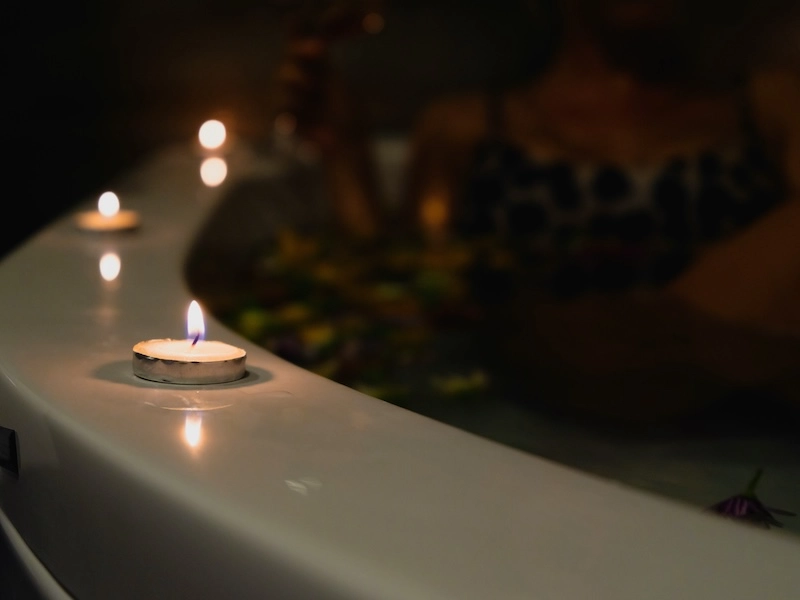
Calm spa setting representing holistic wellness in Tiptree, Essex

Wellness, Honestly: The 7 Pillars That Actually Matter

Short answer Real wellness isn’t green powders, £40 candles or influencers in matching loungewear. It’s the daily balance between what builds you up — movement, sleep, nutrition, stillness, connection, recovery and purpose — and what wears you down. Seven pillars. You don’t need all seven perfect. You need to pay attention to the one that’s most neglected right now, fix that, then move to the next.

“Wellness” is one of those words that’s been so thoroughly marketed at us that it’s almost lost its meaning. It conjures up green powders, expensive candles and influencers in matching loungewear photographing their breakfast smoothies. The actual thing — the version that genuinely improves your life — is far simpler, far cheaper, and not on Instagram.

The honest version is also reassuringly boring. There’s no secret. There’s no $300 supplement stack. There’s no biohack the rich know that the rest of us don’t. There’s just a small handful of things, done most days, for years. Here’s what they are and how to think about them.

A working definition

Wellness is the day-to-day balance between the things that build you up — movement, sleep, connection, calm — and the things that wear you down: stress, sedentariness, isolation, overwork, alcohol, screens.

You don’t reach wellness once and stay there. You tend to it, like a garden. Some weeks you’ll be ahead. Some you won’t. The job isn’t perfection — it’s never letting the weeds get so far ahead that you can’t catch up.

Wellness isn’t a destination you arrive at. It’s a garden you tend. Some weeks better than others. That’s the job.

The 7 pillars that actually matter

Skip the trends. The ingredients of real wellbeing are deeply unglamorous and remarkably consistent across every piece of decent research, every functional medicine framework, every culture that’s ever produced healthy long-lived adults. They are not new. They are not contested. They are not exciting.

They just work.

1. Movement

Most days, in some form. It doesn’t have to be intense. A 30-minute walk counts. A 45-minute strength session counts more. A swim counts. A garden tidy counts. What doesn’t count is the gym membership you’ve had for eight months and used three times.

The research is clear: regular movement is the single most powerful intervention for almost every aspect of physical and mental health. There is no pill that comes close. And the dose-response curve is generous — even small amounts of movement, done consistently, deliver outsized returns.

2. Sleep

The foundation everything else sits on. You can’t out-supplement six hours of broken sleep. You can’t out-train it. You can’t out-meditate it. It’s the one variable that, when it’s off, makes every other variable harder.

Most adults need 7 to 9 hours. Most adults get 6. The fix isn’t glamorous: consistent bedtimes, dark and cool bedrooms, less alcohol, fewer screens after 9pm, more attention to whether your weekday rhythm and your weekend rhythm are at war with each other.

3. Nutrition

Mostly home-cooked. Lots of plants. Plenty protein. The end of the article on what to eat is genuinely “most adults already know what to do — the gap is between knowing and doing.”

You don’t need to count calories forever. You don’t need to follow anyone’s diet. You need most of your meals to come from a kitchen rather than a packet, and you need enough protein to support muscle and satiety. Anything beyond that is fine-tuning.

4. Stillness

Meditation, breathwork, time without a screen. Five to ten minutes a day, in some form, where nothing is being asked of your attention.

This is the one most adults skip because it doesn’t feel productive. It is one of the most productive things you can do — not because of what it adds, but because of what it stops your nervous system from accumulating. A constantly-stimulated mind is an exhausted mind. Stillness is the off-switch that lets the rest of the system actually recover.

5. Connection

People who know your name. People you can ring at 11pm. People who notice when you’re not yourself. The strongest predictor of longevity in human studies isn’t diet, exercise or genetics — it’s social connection.

This is the pillar we underrate hardest in modern Britain. You can do everything else perfectly and still struggle if you’re lonely. You can have a less-than-perfect diet and still thrive if you’re surrounded by people who care about you.

The gym, the swimming pool, the class you go to every Tuesday — these aren’t just exercise venues. They’re some of the few places in modern adult life where you reliably bump into the same humans, week after week, without an agenda. That’s rarer than it sounds, and more valuable than it looks.

6. Recovery

Heat, water, rest days, gentle weeks. The bit nobody Instagrams. The bit that determines whether the training you’re doing actually delivers results.

Your body adapts to training stress during recovery, not during the workout itself. Skip recovery and you’re creating stimulus your body can’t respond to. Sauna and steam exposure, regular sleep, rest days, periodic deload weeks — these aren’t time off from wellness. They’re the bit where wellness happens.

7. Purpose

Something you give your attention to that isn’t admin. A hobby. A craft. A cause. A garden. A grandchild. A novel you’re writing terribly. Something that holds your interest because it’s yours, not because it pays the mortgage.

Purpose isn’t spiritual fluff. It’s a measurable variable in health and longevity research. People with a clear sense of purpose live longer, recover from illness faster, and report higher life satisfaction across the board. The absence of it is one of the quietest contributors to midlife unhappiness.

What this looks like at Atlantis

This is genuinely why we call ourselves a health and beauty spa, not just a gym. The training is one piece of it. The rest of the building is built around the other pillars too.

  • The pool, jacuzzi, sauna and steam in our spa area handle recovery and stillness. They’re not the dessert after the workout — they’re half the point of the building.
  • The timetable handles movement and connection. The same group of people, same time, every week. Some of our members have been doing the same Pilates class together for over a decade.
  • The beauty treatments with Sue handle stillness and slowing down. An hour where someone is taking care of you, not asking anything of you.
  • Reiki with Sean handles stillness at a deeper level — dedicated time away from the noise, with someone who’s practised holding that space for over thirty years.
  • The gym floor handles movement. The friendly staff handle the bits that aren’t on any timetable — the small daily connection of someone knowing your name and asking how your week’s been.

Nutrition and sleep are on you. We can’t do those for anyone. But we can be the venue that makes five of the seven pillars dramatically easier to keep up with.

Where to start if you’re starting now

Pick one pillar that’s weakest right now and give it your attention for two weeks. Not all seven. One.

  • Sleeping six hours? Aim for seven for a fortnight. Don’t change anything else.
  • Not moving? Two short sessions a week. That’s the only goal. Don’t add nutrition tracking on top.
  • Constantly anxious? Five minutes of stillness a day. Just that.
  • Lonely? Pick one social commitment a week you actually turn up to. A class. A walk with a friend. Same time every week.

The instinct to overhaul everything at once is the same instinct that quits by February. Real change happens at the speed of one habit at a time. You’ll have the rest of your life to add the others.

The one-pillar rule: You’re allowed to be average at six pillars and good at one. You’re not allowed to be terrible at sleep and movement and nutrition all at once. If three of them are red, you’re heading for trouble regardless of what you do with the others.

Why this matters more in Tiptree (and everywhere else)

Modern life in Essex — or anywhere else — isn’t designed for wellness. The default settings are sedentary, over-stimulated, under-slept, weakly connected, and short on purpose beyond the next bit of admin. Most of us are gently drifting away from health without quite noticing.

The work isn’t to fight that with willpower. The work is to build a few small reliable rhythms — the Tuesday class, the morning walk, the regular spa day, the dinner with your sister every other week — that quietly counteract the drift. Nothing dramatic. Nothing that requires you to become a different person.

The people who live longest and feel best aren’t doing extreme things. They’re doing ordinary things consistently, while the rest of us are doing extreme things sporadically and wondering why we don’t feel better.

One final reframe

Wellness isn’t a reward you earn when life calms down. It’s how you keep going while life refuses to. Built into the week, not bolted on after.

The thing nobody tells you: life doesn’t calm down. The kids leave home and then the parents need care. The job eases off and then a health thing arrives. There is no future version of you sitting on a beach with infinite time for wellness. There’s only this week. The pillars get tended in this week, or they don’t get tended.

Start with one pillar. Two weeks. See what happens.

Want a wellness routine that actually fits your week?

Have a chat with us about what would suit you. Call Atlantis Gym & Spa on 01621 816955 or visit Chapel Road, Tiptree. We’ve been doing this for over twenty years — we know which pillars are easiest to start with, and which ones will quietly do the most for you.

Get In Touch

Flexibility Isn’t Just for Yogis: Why Mobility Belongs in Every Routine

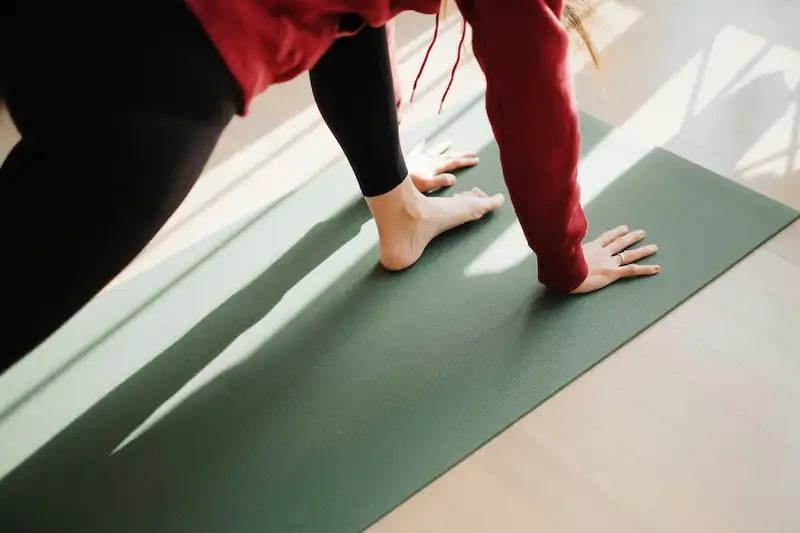
Person stretching on a mat in a calm gym studio

How to Improve Mobility (Without Spending Your Life Stretching)

Short answer You don’t need to do the splits. You need 10 focused minutes, three or four times a week, targeting the joints stiffness shows up in first — hips, ankles, shoulders, upper back. Combine that with one weekly Pilates or Yoga class, a proper warm-up before strength training, and an actual warm-down at the end of every session. That’s the whole framework. Below: how to tell where your mobility currently is, the moves that actually move the needle, and the mistakes that waste your effort.

If “flexibility” makes you picture someone effortlessly folding themselves in half on a yoga mat, you’re not alone. And that picture is exactly why most people quietly decide flexibility doesn’t apply to them. They’re not going to be doing the splits this year. Or any year, frankly. So what’s the point?

The point is that the picture is wrong. Mobility isn’t about looking impressive on Instagram. It’s the most overlooked piece of fitness for everyday adults, and the payoff isn’t visible in a mirror — it’s the difference between getting up off the floor easily at 50 and not, or reaching the top shelf without your shoulder complaining, or finishing a long day at a desk without your hips locking up.

This article is about the practical, unglamorous, genuinely useful version of mobility. Not the yoga magazine version.

Flexibility vs mobility — a quick translation

People use the words interchangeably. They’re different things, and the distinction matters.

Flexibility is how far a muscle can lengthen passively. If someone pushes your leg into a hamstring stretch, how far does it go before the muscle says stop? That’s flexibility.

Mobility is how well your joints actually move through their full range under your own control. Can you actively lift that leg as high as someone else can push it? That’s mobility.

You can be flexible without being mobile. Think of someone who can sit in the splits but struggles to do a proper bodyweight squat — the muscle length is there, but the control isn’t. Equally, you can be strong without being mobile — a fit, muscular adult whose hips have been locked at desk-height for fifteen years.

The sweet spot is both. Mobile and strong through that range. That’s what we’re aiming for. It’s also what protects you from the “I just turned funny and my back went” kind of injury that nobody warns you about until it happens.

The goal isn’t to bend further. It’s to move better through what you’ve already got.

Why it gets more important with age, not less

One of the persistent myths of getting older is that stiffness is just part of the deal. Achy in the morning? You’re fifty now. Knees a bit grumbly? It’s just age.

It usually isn’t. Stiff joints aren’t a sign of getting older — they’re a sign of not moving them through their range often enough. The body follows a brutally simple rule: use it or lose it. Joints that get moved through their full range regularly stay mobile. Joints that only get used in a narrow desk-and-driving range slowly lose access to the rest of it.

What regular mobility work actually buys you, especially after 40:

  • Walking comfortably for long distances without lower-back grumbling
  • Getting up off the floor without using your hands
  • Reaching the top shelf without a shoulder twinge
  • Sleeping through the night without rolling onto a sore hip
  • Carrying shopping, kids, suitcases without pulling something
  • Recovering faster after harder days at the gym, in the garden, or on holiday
  • Significantly reducing the low-grade aches that creep in from desk-bound days

None of that involves the splits. All of it involves giving your joints a regular reminder that they can still go where they used to.

The four places stiffness shows up first

If you’re short on time and want to know where to focus, these are the four areas that quietly seize up first for most adults:

1. Hips

Sitting kills hip mobility faster than anything else. The hip flexors at the front shorten, the glutes at the back switch off, and the whole pelvis tilts in a way that pulls the lower back along for the ride. Hip mobility work is the single highest-return area for desk workers.

2. Upper back (thoracic spine)

The middle of your back is designed to rotate and extend. Hunching over a laptop teaches it to stay locked in flexion. Result: rounded shoulders, neck tension, and shoulder problems that look like shoulder problems but originate two segments lower.

3. Ankles

The most overlooked joint in the body. Ankle stiffness is why people can’t squat properly, can’t walk down stairs comfortably, and develop knee pain that’s actually an ankle problem. Trainers and supportive shoes have been quietly seizing our ankles for decades.

4. Shoulders

The most mobile joint in the body, and the most easily compromised. Phones, desks and steering wheels all encourage internally rotated, forward-rounded shoulders. Mobility work here restores overhead reach and protects against the rotator cuff problems that plague desk workers in their forties.

A simple test to know where you stand

Try these four quickly. Don’t force anything — just see what your body offers.

  • Hips: Stand, lift one knee up to hip height and hold it without using your hands for 10 seconds. Repeat on the other side.
  • Upper back: Sit on the floor, legs straight, back against a wall. Can you raise your arms above your head while keeping both hands flat to the wall behind you?
  • Ankles: In a standing lunge, can you push your front knee forward past your toes while keeping your heel down?
  • Shoulders: Reach one hand over your shoulder and down your back, and the other hand up your back from below. Can your fingers touch?

If any of those are uncomfortable or impossible — that’s the area to prioritise. Most adults will struggle with at least two. That’s normal, not a problem — just a starting point.

How much do you actually need?

Less than you’d think. Far less than the wellness industry would have you believe.

Ten focused minutes, three or four times a week, will move the needle meaningfully for most people. The body responds to regular, modest dose far better than it does to occasional heroic sessions. Three short sessions beats one hour-long stretch class, every time, because the joints need frequent reminders — not a single intense one.

The non-negotiable: consistency. Skip three weeks and you’re back to where you started. Stick to three sessions a week for two months and you’ll feel like you’ve borrowed someone else’s body.

A simple weekly mobility framework

Here’s a realistic structure most adults can actually keep up with:

  • Two short stretching sessions at home — ten minutes each, focusing on hips, hamstrings, chest, upper back. In front of the telly is fine. Before bed is even better.
  • One Pilates, Yoga or Stretch Mobility & Core class at Atlantis — properly programmed control and movement work, in a room with someone watching your form. Our classes page has the current timetable.
  • Five-minute warm-ups before strength sessions — joint circles, dynamic movement, a light set of your first exercise. The Workout Library includes warm-ups built into every session.
  • Optional: one swim or Aqua class — the water naturally encourages full-range movement with zero joint stress. Brilliant on days you don’t feel like the gym floor.

That’s it. Maybe 40 minutes of dedicated mobility work across the whole week, on top of training you’re already doing. The return on those 40 minutes is the rest of your year.

The exercises that actually move the needle

For each of the four problem areas, one go-to move that delivers more than its share of results:

  • Hips: The 90/90 hip switch — sit on the floor with one leg bent in front, one bent behind, both at right angles. Switch sides by rotating through the hips. Two minutes a day. Genuinely transformative.
  • Upper back: The foam roller thoracic extension — lie on your back with a foam roller under your shoulder blades, hands behind your head, and gently arch over the roller. Ten controlled reps.
  • Ankles: The knee-to-wall — in a lunge, drive your front knee forward over your toes while keeping the heel planted. Twenty reps per side.
  • Shoulders: Wall slides — stand with your back against a wall, arms in a goalpost shape, slowly slide them up and down keeping contact with the wall. Ten reps.

Pick the two areas you struggle with most. Do those moves daily for two weeks. Reassess.

The cheat code for time-poor people: If you only do one mobility thing this week, do the 90/90 hip switch. Two minutes, while watching the news, on the living room floor. Of all the mobility work available, it pays out the fastest for the largest number of adults. Try it for ten days and notice how your hips feel by day eleven.

Common mobility mistakes

Things that quietly waste your effort:

  • Stretching cold. Hold static stretches before training and you’ll reduce your strength output for an hour afterwards. Use dynamic movement to warm up, save the static stretches for after.
  • Holding too long. 30–60 seconds is plenty for most static stretches. Pushing past 2 minutes doesn’t add benefit and can irritate the muscle.
  • Bouncing into the stretch. Ballistic stretching (bouncing) is a great way to tear something. Move into the position smoothly, hold, release.
  • Stretching what’s tight without strengthening what’s weak. Tight hip flexors often mean weak glutes. Tight upper traps often mean weak lower traps. Stretching alone treats the symptom, not the cause.
  • Mistaking discomfort for progress. A good stretch is mild discomfort, never pain. If you’re wincing, you’re going too far.
  • Treating it as optional. The people who never “have time” for mobility are usually the same people who’ll spend six weeks recovering from a pulled hamstring. The maths doesn’t favour skipping it.

Don’t skip the warm-down

The five minutes after your workout — gentle stretching, slow breathing, a stroll on the treadmill — is where you bank tomorrow’s comfort. Not the day after a brutal session. The day after a normal one too.

What a proper warm-down actually does:

  • Brings your heart rate down gradually, which helps with recovery
  • Reduces the “blood pooling” that contributes to feeling lightheaded after intense work
  • Gives your muscles a chance to lengthen back out before they cool in a contracted position
  • Switches your nervous system from training mode back to normal mode, which helps with sleep that night

Add a sauna or steam session afterwards and you’re giving your body proper recovery rather than rushing back to the car park with stiff hamstrings. The spa facilities at Atlantis — pool, sauna, steam room and jacuzzi — are genuinely useful here, not just a nice-to-have. Heat exposure after training has been shown to improve recovery markers and reduce post-workout soreness.

A realistic starter plan

If you want a structured place to begin, here’s a fortnight you can run:

  • Days 1, 3, 5, 7 (10 minutes each): 90/90 hip switch, foam roller thoracic, knee-to-wall, wall slides. That’s the whole session.
  • Days 2 and 4: Your regular strength training, with a proper 5-minute warm-up at the start and 5-minute warm-down at the end.
  • Day 6: Pilates, Yoga or Stretch Mobility & Core class at Atlantis.
  • Day 7: Walk, swim, sauna, or simply rest.

Run that for two weeks. Take the same four mobility tests from earlier and see what’s changed. Most people are surprised.

What we see at Atlantis

The members at our gym in Tiptree who stay genuinely mobile into their fifties, sixties and seventies aren’t the ones doing heroic stretching sessions. They’re the ones who built small habits early — ten minutes a few times a week, a regular class on the timetable, a proper warm-down after training. The maintenance is quiet. The payoff is enormous.

The members who struggle are almost always the ones who treated mobility as optional. Then one day they bend down to tie a shoelace and something pings, and suddenly they’re very interested in mobility — just from a much worse starting point.

Be the first kind.

Want help building mobility into your routine?

Have a chat with our team about which classes and equipment would suit you. Call Atlantis Gym & Spa on 01621 816955 or visit us on Chapel Road, Tiptree. We’ve been helping people stay mobile for over twenty years — we know what works.

Get In Touch

Breathwork Basics: Three Simple Techniques That Actually Work

Person practising calm deep breathing in soft natural light

Three Breathing Techniques for Stress (And How to Use Each)

Short answer Three techniques cover almost every situation. Box breathing (4-4-4-4) for general calm and focus — before a meeting, before bed, in the car park. Extended exhale (4 in, 6–8 out) for acute stress when you need to come down fast. Nasal-only breathing as a daily upgrade that quietly improves everything from sleep to gym sessions. None of them take longer than two minutes. All of them work because your breath is the one autonomic process you can consciously control.

Of all the wellness tools you can pick up, breathwork is the one you literally already own. You can do it at your desk, in the car park before a meeting, in bed at 3am, or mid-workout when your form starts wobbling. You don’t need an app. You don’t need a teacher. You don’t need to spend anything.

And unlike most wellbeing advice — which tends to ask you for six weeks of practice before paying out — the right breathing technique works in minutes. Not because it’s magic, but because it’s the only conscious lever you have on your own nervous system.

Why your breath is such a powerful lever

Your nervous system has two main settings. The sympathetic branch — fight, flight, do the thing now — revs you up. The parasympathetic branch — rest, digest, recover — calms you down. Most of modern life keeps the first one mildly switched on all day, which is why “a bit stressed but functional” has become so many people’s baseline.

Breathing is the only process your body does both automatically and consciously. Your heart rate, your digestion, your blood pressure — you can’t change them on purpose. But you can absolutely change your breath. And because the breath is wired into the same nervous system that governs all the rest of it, changing the breath changes everything else downstream.

Slow, deep breaths nudge you towards parasympathetic — calmer, steadier, more present. Quick, sharp breaths nudge you the other way. Knowing which to use, and when, is the whole skill.

The breath is the front door to the nervous system. Three techniques are enough to walk through it whenever you need to.

Technique 1: Box Breathing (for calm and focus)

Box breathing is used by everyone from Navy SEALs to overworked parents because it’s genuinely simple and it works reliably. It’s the all-purpose tool of the breathwork world.

How to do it

  • Breathe in through your nose for a count of 4
  • Hold the breath for a count of 4
  • Breathe out through your nose (or pursed lips) for a count of 4
  • Hold empty for a count of 4
  • Repeat for a minute or two. Five rounds is plenty if you’re short on time.

The four phases form a “box” — equal sides — which is where the name comes from. You can scale the count up or down depending on lung capacity. Some people find 5 or 6 feels more natural. The exact number matters less than keeping the four phases even.

When to use it

  • Before a difficult conversation or meeting
  • Before walking on stage or into an interview
  • The first ten minutes after sitting down at your desk in the morning
  • Right before sleep, lying in bed
  • Whenever you notice your jaw is clenched or your shoulders are at your ears

The first time you do it, you’ll feel your heart rate visibly settle. By the third or fourth round, your head usually feels clearer. By round five, you wonder why you don’t do this all the time.

Technique 2: Extended Exhale (for stress in the moment)

When you’re actually stressed — not low-grade buzzing, but genuinely heart-thumping, palms-sweating stressed — box breathing can feel like too much patience to summon. The extended exhale is the panic-button version.

The principle: when you breathe out for longer than you breathe in, you stimulate the vagus nerve. That’s the long nerve that runs from your brainstem down into your gut, and it’s the main physical channel between your conscious choices and your unconscious calm. A long exhale tells the vagus nerve, in effect, “we’re safe. Stand down.”

How to do it

  • Breathe in through your nose for 4 seconds
  • Breathe out, slowly, through your nose or pursed lips for 6–8 seconds
  • Don’t hold — just keep cycling
  • Continue for 1–2 minutes

The classic “4-7-8 breathing” you may have heard about is a version of this, with a hold thrown in. The hold is optional. The long exhale is the part that actually does the work.

When to use it

  • When you can feel adrenaline before you can name the trigger
  • After a near-miss in traffic
  • When you’ve just opened an email you didn’t want to see
  • 3am wakeups where your mind has switched on uninvited
  • Before any test, performance or moment that’s making your hands shake

Two minutes is usually enough to bring you down meaningfully. Five is enough to feel functionally yourself again.

Technique 3: Nasal-Only Breathing (the daily upgrade)

The first two techniques are tools for specific moments. This one is a lifestyle adjustment that quietly improves everything — sleep, exercise tolerance, focus, even immune function.

The simple ask: breathe through your nose more often. Including during easier exercise. Including, ideally, while you sleep.

Why this matters more than it sounds:

  • Nasal breathing filters and warms the air before it hits your lungs. Mouth breathing skips that step entirely, which is one reason chronic mouth breathers tend to catch more colds.
  • Your nose produces nitric oxide as you breathe through it — a gas that helps open your airways and improves how your body uses oxygen. Mouth breathing skips this too.
  • Nasal breathing naturally slows your pace because the airway is smaller. This regulates your breathing rate without you thinking about it.
  • It builds CO2 tolerance over time, which sounds technical but translates to feeling less out of breath during exercise.

How to practice it

Start small. While walking, try keeping your mouth closed and breathing only through your nose. If you have to slow down to maintain it, slow down — that’s the practice. Do the same on the bike or cross trainer on easy days.

For sleep, some people use mouth tape (gentle medical tape across the lips) as a training tool to encourage nasal breathing overnight. Sounds dramatic. Works remarkably well for people who wake up with a dry mouth or sore throat.

The unsexy truth about nasal breathing: You don’t need to do anything special. You just need to keep your mouth closed more of the time. That is genuinely the whole technique. Six weeks of doing this consistently is enough to feel a noticeable difference in your everyday energy.

Common breathwork mistakes

A few things people get wrong when they start:

  • Over-breathing. Forcing big dramatic inhales doesn’t calm you down — it usually does the opposite. The breath should feel relaxed, not effortful.
  • Counting too aggressively. If a 4-second inhale is uncomfortable, drop to 3. The point isn’t the count; it’s the rhythm.
  • Tensing the shoulders. Watch yourself in a mirror once. If your shoulders rise on every inhale, the breath is staying in your chest. Better breathing happens in the belly — your stomach should move out gently on the inhale.
  • Doing it once and expecting magic. Each session works in the moment, but the bigger benefits (lower baseline stress, better sleep) come from repetition. A few minutes a day for a few weeks beats one heroic 30-minute session.
  • Treating it like medicine. Breathwork helps with normal stress. It is not a replacement for professional help if you’re in genuine crisis or dealing with serious anxiety. Use it alongside, not instead of.

When to use which: a quick reference

  • Background stress, focus, sleep: Box breathing
  • Acute stress, panic, adrenaline: Extended exhale
  • Daily life, exercise, energy: Nasal-only

If you only learn one: extended exhale. It’s the most reliably powerful in the moments you most need it.

Using breath inside your training

The same principles apply at the gym — arguably more so, because exercise is when most people’s breathing falls apart.

  • Lifting: Breathe in on the lowering phase, breathe out on the effort phase. Never hold your breath on a heavy rep unless you’ve been specifically coached to (it raises blood pressure quickly).
  • Cardio: Try nasal-only breathing on easy cardio days — treadmill walks, bike, cross trainer at moderate pace. It’ll feel harder at first, then your tolerance builds and your effort feels lighter.
  • Stretching: Long, slow exhales deepen the stretch because the muscle releases more on the out-breath than the in-breath. The Stretch Mobility & Core, Yoga and Pilates classes at Atlantis all build this skill naturally.
  • Cool-down: Finish a session with two or three minutes of box breathing, ideally in the sauna or by the pool. The nervous system shift you build in those few minutes is what carries the calm into the rest of your day.

Breath for sleep specifically

If you’re reading this at 1am with your phone too close to your face, this section is for you.

The two breathwork tools for sleep:

  • Before bed: Five minutes of box breathing while lying down, eyes closed. Often this alone is enough to take you under.
  • If you wake in the night: Extended exhale — 4 in, 8 out, through the nose, quietly. The long exhale will gently bring you back towards sleep without the wakefulness spiral.

The aim isn’t to “force” sleep (forcing sleep is a great way to stay awake). It’s to take the pressure off the wakefulness — let your nervous system settle — and then let sleep arrive on its own.

And when you want to go deeper than self-practice

Sometimes you want guidance rather than going it alone. The slightly awkward truth about self-led breathwork is that you can’t fully relax while simultaneously being the person guiding the relaxation. Part of your attention has to stay “in charge.”

Reiki therapy with Sean at Atlantis is a calm, private hour where breath, stillness and deep relaxation come together in a way that’s hard to replicate on your own. Sean has thirty-plus years of practice, including time studying in China under Master Yu Tian Jian. People often describe their first session as the first time in years they’ve actually switched off — not just relaxed, but properly off.

And if you’d rather build breath awareness in a more familiar movement-based setting, the gentler classes on our timetable — particularly Yoga, Fitness Yoga and Stretch Mobility & Core — teach the same principles through movement.

A final small ask

If you read this far and didn’t practise even one technique, do this now: breathe in for 4, out for 6 or 7. Just once. Repeat three more times.

Notice anything different? Most people do. That’s the whole proof. Tools that work in 30 seconds are worth keeping in your pocket for the rest of your life.

Want help building a calmer, stronger weekly routine?

Call Atlantis Gym & Spa on 01621 816955 or pop into Chapel Road, Tiptree. We’ll talk through what might suit you — the gym, the pool, the classes, or a Reiki session with Sean.

Get In Touch