Beauty: Perfector Therapy

Beauty treatments at Atlantis Gym and Spa in Tiptree Essex

I Went to Get a Non-Surgical Facelift at a Gym in Essex. Here’s My Honest Account.

Short answer Perfector Therapy is a microcurrent non-surgical facelift — and Atlantis in Tiptree is one of the only places in Essex offering it. A full course of 12 treatments is £525; individual sessions are £50. No needles, no downtime, results that build with every session. Combine it with a lash lift and tint, a B2 facial or a massage, spend the afternoon in the spa and jacuzzi, and you’ve got yourself a proper wellness day near Colchester.

I’ll be honest with you — I nearly didn’t go.

Tiptree isn’t exactly the first place that springs to mind when you’re looking at non-surgical facelift options in Essex. And when someone mentioned there was a treatment at a gym and spa out there that the press had been calling a “knifeless facelift” — well. I looked it up, found approximately nothing about it locally, and then booked it anyway. Because I cannot help myself.

Best decision I’ve made in a while. And I’ve made some good ones.

So what even is Perfector Therapy?

Right, let me explain this properly because I had no idea either.

Perfector is a microcurrent treatment — and before your eyes glaze over at the technical bit, here’s all you actually need to know: it delivers tiny electrical currents, completely painless, into your facial muscles. Not just the surface skin. The actual muscles underneath. It re-educates and lifts them. Works them progressively, the way a personal trainer works a muscle group, and the results build across a course of sessions.

The press have called it the knifeless facelift, and honestly, that’s not far off. Non-invasive. No needles. No filler. No two weeks looking like you’ve had a disagreement with something heavy. You go in, you relax, you leave looking like a well-rested, slightly more lifted version of yourself.

Atlantis in Tiptree is one of a small handful of places in Essex currently offering the Perfector system. Which, once you see what it does, is genuinely baffling.

The treatment itself

The therapist at Atlantis has been in beauty for over twenty years. Calm, no-nonsense, the kind of person who tells you what your skin actually needs rather than working through a menu. I appreciated that immediately.

The session itself was more relaxing than I’d expected. You lie down, she works methodically across the face, and you feel — not much, honestly. A gentle sensation. Nothing uncomfortable. I came out and genuinely wasn’t sure anything had happened.

Then I looked in the mirror.

“My face looked lifted. Not dramatically — just in the way you look when you’ve slept properly for a week and actually drunk enough water. That kind of lifted.”

A full course is twelve sessions at £525 — which sounds significant until you price up what fillers cost these days, plus the recovery, plus the top-ups every few months. Individual sessions are £50 if you want to try before committing to the course. I’d suggest just committing.

Worth knowing before you book: Results from Perfector build progressively — most clients notice a real difference from around session four or five. By the end of a full course, the lift is consistent and lasting. If you’re in your late thirties or beyond and you’ve been thinking about doing something but aren’t ready for needles, this is the conversation to have first. Get in touch here.

While I was there — the lash lift

Look. I was already in the building. I wasn’t leaving without booking something else.

The lash lift and tint at Atlantis is £45 and does exactly what it sounds like: lifts your natural lashes, curls them, darkens them. No extensions, no maintenance ritual, no drama. Just properly wide-awake eyes for up to eight weeks.

I’ve had lash lifts elsewhere. This one was good — precise, quick, no fuss. She clearly wasn’t guessing at the timing.

Before you book an eye treatment: A patch test is required at least 24 hours before your first lash or brow appointment. Worth planning ahead — just ring and they’ll sort it. Call 01621 816955.

The facial — worth adding on

If you’re already coming in, it’s worth considering a B2 Beauty facial while you’re there. This isn’t a 30-minute face massage with a nice smell — it’s a proper skin treatment tailored to what your skin actually needs. Deep cleanse, hydration, the works. Mini facial from £35, full treatment £55. Book one before something you actually care about looking good for and you’ll be a convert.

The bit nobody tells you about Atlantis

Here’s what actually surprised me most — and it wasn’t the treatments.

Atlantis isn’t just a beauty salon. It’s a full gym and spa — swimming pool, sauna, steam room, jacuzzi. After treatments, you can take yourself off and use the lot. So I’m sitting in the jacuzzi post-Perfector, nobody rushing me anywhere, thinking about what a hotel spa would have charged for exactly this combination. The answer is considerably more.

If you’ve got a birthday, a hen do, or you just want to do something properly nice for yourself or a friend — book a spa day at Atlantis. Treatment first, spa after, go home feeling like a functioning human being again. They can put something together for couples and groups too.

The Holiday Package — £110: Half leg wax, bikini wax, underarm wax, shellac manicure, shellac pedicure and eyelash tint. Six treatments in one visit — everything sorted before you go away. See the full treatment menu.

Worth the drive?

Tiptree is fifteen minutes from Colchester, not far from Witham or Maldon — it’s genuinely not the back of beyond. And for Perfector Therapy, a solid massage and a spa you can actually linger in afterwards — yes. More than worth it.

If you’ve been quietly thinking about doing something about the way your face is ageing and you’re not ready for needles — go and have a conversation with them before you make any other decisions. That’s all. Just go and ask.

Ready to try Perfector Therapy or book a treatment?

Atlantis Gym & Spa is in Tiptree, Essex — near Colchester, Witham and Maldon. See the full beauty and treatment menu, or get in touch to book.

View Beauty Treatments Book or Enquire

This post is written from the perspective of a customer visit to Atlantis Gym & Spa in Tiptree, Essex. All treatments and prices mentioned were correct at time of visit — see the full beauty treatments page for current pricing and availability.

The Brand New Atlantis Website!

Atlantis Gym & Spa exterior on Chapel Road, Tiptree, Essex, photographed on a sunny day to mark the launch of the refreshed atlantisgym.co.uk website

We’ve Launched a New Atlantis Website (And We’re Quietly Chuffed)

Short version atlantisgym.co.uk has had a proper refresh. New look, faster pages, and three brand-new sections built especially for members: the Gym-Apedia (every piece of kit in the club explained), the Workout Library (member-ready training plans for every goal), and the News & Blog (which you can now subscribe to). The bones of the site are tighter, the information is clearer, and everything you actually need is two clicks away. Have a look around and let us know what you think.

It’s the 4th of June 2026, and after a fair stretch of behind-the-scenes work, the new Atlantis Gym & Spa website is officially live. If you’ve visited before and thought “hmm, that could probably do with a bit of a tidy,” you weren’t wrong — and we agreed. So we tidied it. Then we extended it. Then we got slightly carried away and added a small library of training plans and an entire equipment guide while we were at it.

Here’s what’s new, what’s changed, and what we’ve got planned next.

Why we did this now

Atlantis has been part of the Tiptree community since 2005. In website terms, that’s about seven lifetimes. The old site did a perfectly reasonable job of telling people we existed, but it never really did justice to the experience of actually being a member — the gym floor, the spa, the classes, the people, the small daily things that members come for week after week.

What we wanted was a site that felt the way Atlantis feels in person: warm, useful, calm, and a bit less corporate than the standard chain-gym template you see everywhere else. We also wanted it to genuinely help members — not just sell memberships to new ones.

That second bit is what most of the new content is about.

We wanted a site that felt the way Atlantis feels in person — warm, useful, and a bit less corporate than the standard chain-gym template.

What’s new: the three big additions

1. The Atlantis Gym-Apedia

This one we’re particularly pleased with. The Gym-Apedia is a complete guide to every piece of kit in the club — cardio, strength machines, free weights, functional equipment, the lot. Each entry explains what the machine is for, what it works, the benefits of using it, and now (as of this week) a basic step-by-step “how to use” for each one.

If you’ve been walking past that machine in the corner for months wondering what on earth it does, the Gym-Apedia is for you. If you’ve been quietly curious about the SkiErg but never wanted to look like a beginner asking, the Gym-Apedia is for you. If you’ve been using the squat rack and want a quick reminder of the setup, it’s in there.

The instructions are deliberately basic. We’ve kept them clear and beginner-friendly — and every single entry ends with the same gentle reminder: if you’d prefer a hands-on walk-through, our team are always happy to help on the gym floor. That bit isn’t just polite. It’s genuinely how we want members to use the place.

2. The Atlantis Workout Library

The Workout Library is a collection of ready-to-follow training plans built around what’s actually in our gym, written for real members at every level.

Inside, you’ll find:

  • Body-part workouts — sessions for chest, back, legs, glutes, shoulders and core
  • Fitness and cardio plans — starter sessions, fat-loss circuits, steady stamina builders, intervals
  • Combination workouts — push/pull/legs, full-body, lunch-break express sessions
  • Weekly programmes — structures for 2, 3, 4 and 5 days, depending on what fits your life
  • Beginner pathway — from first gym visit to confident regular training
  • Recovery and mobility — warm-ups, cool-downs, desk-worker mobility resets

Every plan is written to be useable inside Atlantis — we don’t reference equipment we don’t have, and we don’t assume you’re training for the Olympics. The whole library is built around the friendly, sustainable approach that’s always been the Atlantis ethos.

It’s free for members, free for visitors, free for anyone who wants to use it. Bookmark the page, screenshot a workout, follow it next time you train. It’s yours.

3. The Atlantis News & Blog

The News & Blog section is where we’ll publish honest, practical articles about training, wellness, recovery, nutrition and what’s happening at the club. No content-mill fluff, no “10 super-foods you must eat” nonsense, no fitness-influencer hot takes.

What you’ll actually find:

  • Honest training advice — cardio before or after weights, how many days a week to train, the truth about machines vs free weights
  • Recovery and wellness pieces — the science of heat recovery, the underrated power of meditation, what mobility actually means after 40
  • Nutrition basics that don’t make you hate food
  • Local Tiptree news, club updates, member features, charity work, fundraisers, all the small things that make a community club tick

You can subscribe to be notified when new articles go up. We’ll be aiming for one fresh piece every week or fortnight, with seasonal bumps around the start of the year and post-summer. No spam, no daily emails, no “hey we noticed you haven’t opened our last email” nudge messages. Just a quiet notification when there’s something new worth reading. We may email you occasionally too though, to tell you about anything new. Christmas or bank holiday hours etc..

The smaller stuff that’s also better

Plenty has changed beyond the three headline new sections:

  • The Memberships page now has the full pricing table, all options laid out clearly, the joining fee, accepted payment methods, and a proper FAQ section. No hidden numbers, no “contact us for pricing.” What you see is what it costs.
  • The Classes page showcases the welcoming range of classes we offer — from Pilates and Yoga to Aqua, BoxFIT HIIT and our friendly Nifty Fifties sessions for over-50s.
  • The Spa, Pool & Wellness page properly explains how members can use the pool, sauna, steam room and jacuzzi for genuine recovery, not just as a nice-to-have.
  • The Beauty Treatments page lists every treatment with prices, all the way from a £6 brow tint to a £55 facial.
  • The Reiki Therapy page properly explains what Reiki is, what to expect from a session with Sean, and what 30+ years of experience actually means in practice.
  • The About page tells the real story — Sean and Sue founding the club in 2005, the family-run ethos, and why we’ve always done things a bit differently.

Across the whole site, pages load faster, work properly on phones, and are actually a pleasure to read — which we know is a low bar for most gym websites, but it’s a bar we wanted to clear by a comfortable margin.

A small note for members

If you’re already a member of Atlantis, the new site is genuinely for you, not just for new joiners.

Try the Workout Library if you want a plan to follow next session. Use the Gym-Apedia next time you wonder how a particular machine works. Read the blog over a coffee. Bookmark whatever’s useful. Most of what we’ve built is designed to make your existing membership work harder — not to upsell you something else.

A small ask, no pressure: If you find something on the new site that you genuinely like — an article, a workout plan, the equipment guide — we’d be quietly delighted if you shared it with a friend. Word of mouth has always been how Atlantis has grown, and the new site is built to be easy to share.

What’s coming next

The new site is a launchpad, not a finish line. Over the rest of this year and into next, we’ll be:

  • Publishing a new blog article every fortnight — on training, recovery, nutrition, wellness and local Tiptree news
  • Expanding the Gym-Apedia with deeper machine guides as members request them
  • Adding more workouts to the Library based on what members tell us they want
  • Eventually rolling out QR codes around the gym floor so you can scan any machine and get straight to its instructions and suggested workouts

If there’s something you’d genuinely find useful that isn’t there yet — tell us. Email general@atlantisgym.co.uk, mention it to reception, or grab Sean or Sue on the floor. The whole point of building this is to make Atlantis more useful for the people who actually use it.

The Tiptree bit

One last thing worth saying. Atlantis is an independent, family-run club. We’ve been part of Tiptree for over twenty years. We’re not a chain, we never have been, and we never will be. Sean and Sue still own the place, you still meet them on the gym floor, and the people on reception still remember your dog’s name.

The website needed to reflect that. Hopefully it does. And hopefully it’s also — in its own quiet way — a small statement that an independent club in a Tiptree backstreet can still put together a better, more useful, more genuinely member-focused online experience than the big chains who outsource everything to a marketing department in another county.

Have a look around. Let us know what you think. We’re proud of it.

Take a look around the new site

Start with the Gym-Apedia, the Workout Library or the News & Blog. Found something you like? Share it. Not a member yet? Pop in for a tour any time — we’d love to show you around in person.

Book a Tour

Gym Nutrition Without the Hype: What’s Actually Worth Doing

A simple, balanced healthy meal plate with protein and vegetables

Nutrition Basics: The 6 Rules That Actually Work

Short answer Ignore the noise. The boring truth is that good nutrition for most adults comes down to six things: protein at every main meal, mostly real food, steady hydration, sensible eating around training, honesty about alcohol, and consistency over perfection. Get those right 80% of the time and you’ve done 90% of the job. No powders, no detoxes, no Sunday-night despair required.

Nutrition advice online is a noisy, contradictory mess. One week it’s high-carb, the next it’s no-carb. Someone’s selling a powder for everything. A new “optimal” eating window. A new villain food. A new miracle fruit. The whole landscape is designed to keep you confused enough to keep buying things.

The good news: when you strip away the marketing, the actual basics are boring, simple, and largely unchanged for decades. Get these right and you’ve done about 90% of the job. The other 10% — fine-tuning macros, micro-managing meal timing, debating creatine doses — only matters if the 90% is already in place. Most people are still trying to optimise the 10% while their 90% is in shambles.

Here’s the honest version.

A note before we start: this is general guidance for healthy adults. If you have a medical condition, take medication, are pregnant, or have specific dietary needs, please speak to your GP or a registered dietitian. We’re a gym — not nutritionists. Anything that contradicts professional medical advice should be ignored.

1. Protein at every main meal

This is the single highest-leverage change most adults can make. Protein keeps you full, supports muscle repair after training, has the highest metabolic cost to digest (you burn calories just processing it), and is the macronutrient most of us under-eat by a long way.

The rough target: 1.6 to 2.2 grams of protein per kilogram of bodyweight per day, for active adults. A 70kg adult is looking at roughly 110 to 150 grams a day. That sounds like a lot until you build it into meals.

The simple version: a palm-sized portion at each main meal. Three palm-sized portions across breakfast, lunch and dinner gets most adults close to where they need to be.

What counts:

  • Chicken, turkey, lean beef, lean pork, fish (any of it)
  • Eggs (3–4 is a normal portion, not a heart attack)
  • Greek yoghurt, cottage cheese (high protein, easy)
  • Tofu, tempeh, edamame
  • Beans, lentils, chickpeas (lower protein per gram, so larger portions)
  • A protein shake counts but isn’t magic — it’s just convenient milk powder

If you do one thing from this article: add a palm of protein to your usual breakfast. Most adults eat almost none in the morning and then wonder why they’re ravenous by 11am.

Most people don’t need a new diet. They need more protein in the diet they already have.

2. Most of your plate from real food

If most of what you eat looks roughly like it did when it came out of the ground or off the animal, you’re winning. Lots of vegetables, some fruit, decent carbs (oats, potatoes, rice, bread), some fats (olive oil, nuts, avocado), and the protein from above.

Highly processed food isn’t poison. The mistake is treating it like it’s either virtuous or evil. It’s neither. It’s just engineered to be eaten in larger quantities than your body needs, and harder to feel good on.

The growing research on ultra-processed food suggests that how much of it you eat matters more than any single ingredient. People given identical-calorie diets eat noticeably more, and feel less satisfied, when the food is ultra-processed. The mechanism isn’t mystical — it’s just that processed food is designed to be overeaten. That’s its job.

The fix isn’t elimination. It’s ratio. Aim for most of your meals to come from a kitchen rather than a packet, most of the time. Don’t make rules you can’t keep.

3. Hydration is boring but it works

Tired in the afternoons? Headachy? Hungrier than you should be? Foggy by 3pm? Half the time, it’s just dehydration. Your body is bad at telling you it needs water — the signal often arrives as hunger or fatigue first, and thirst last.

Rough target: around 2 to 2.5 litres of fluid a day for most adults, more if you train hard or it’s hot. Tea and coffee count (the diuretic effect is overstated). Sugary drinks and alcohol don’t.

The trick isn’t the total — it’s the distribution. Steady intake through the day beats chugging a litre at 6pm and then waking up at 2am needing the loo. Keep a bottle on your desk. Bring one to the gym. It should be empty by the time you leave.

The cheap fix nobody talks about: A pinch of sea salt in your morning water makes a noticeable difference if you exercise regularly. Sweat takes electrolytes out, and most adults are eating less salt than their body actually needs. This isn’t a supplement. It’s just salt.

4. Eat around your workouts sensibly

You don’t need a perfectly timed pre-workout meal. You don’t need to hit a 30-minute “anabolic window” afterwards. The internet has spent twenty years inventing problems that the body has never actually had.

The simple version:

  • Before training: a small carb-heavy snack 1–2 hours before, if you’re hungry. A banana. A slice of toast with peanut butter. A small bowl of oats. If you’re not hungry, skip it.
  • After training: a proper meal with protein and carbs within a few hours. The recovery window is much longer than people think.
  • That’s it. The whole “nutrient timing” conversation for most of us.

The exceptions: if you’re training twice a day, or training for a serious event, or in a steep calorie deficit, timing starts to matter more. For the rest of us — the people training 3 to 5 times a week for general fitness, fat loss or muscle — eat enough across the day and the timing details largely sort themselves out.

5. Alcohol is the silent killer of progress

Not in a dramatic way. Just in a quiet, consistent one.

A few drinks in the evening reliably:

  • Wrecks the deep sleep that drives recovery
  • Increases hunger and cravings the next day
  • Reduces protein synthesis (the actual mechanism by which muscle is built)
  • Lowers training motivation for 24–48 hours
  • Adds liquid calories that almost nobody accounts for

You don’t have to be teetotal. But if your goals matter to you, this is the lever to be honest about. A pattern of three or four drinks several nights a week will quietly undo a lot of what your training is trying to build.

The realistic version for most adults: one or two nights a week with drinks, rather than five. If that feels hard, it’s worth knowing.

6. Consistency, not perfection

The all-or-nothing approach is what causes Sunday-night despair and Monday-morning detoxes. People eat “clean” for four days, break the rules at the weekend, declare themselves a failure, and start over the following Monday. The cycle gets less efficient every time.

Aim to eat well around 80% of the time and enjoy yourself the rest. That ratio is sustainable for the rest of your life. “Perfect” isn’t sustainable for a fortnight.

What 80/20 looks like in practice: across roughly 21 meals a week, 17 are mostly home-cooked, protein-led, real-food meals. The other 4 are takeaway, restaurant, social dinners, or whatever you genuinely enjoy. Nothing is “cheating.” Nothing is “off plan.” It’s just food.

What about supplements?

The honest answer: most people don’t need many. The supplements industry is worth tens of billions because it’s extraordinarily good at marketing, not because most of its products do much.

The few that have decent evidence and are genuinely worth considering for most adults:

  • Vitamin D — especially in winter in the UK. The NHS officially recommends supplementing October to March.
  • Creatine monohydrate — the most-studied performance supplement ever. 3–5g a day, cheap, well-tolerated, modest but real benefit for strength training. Also early evidence for cognitive function.
  • Protein powder — not a supplement, just convenient food. Useful if you struggle to hit protein targets from meals alone.
  • Omega-3 (fish oil) — if you don’t eat oily fish regularly.

Almost everything else — fat burners, detoxes, multivitamins, BCAAs, magic mushroom powders, anti-inflammatory blends — ranges from “does very little” to “literally nothing.” If a supplement claims to do something dramatic, it almost certainly doesn’t.

The myths to ignore

Things that are still being repeated in 2026 that you can safely retire:

  • “Carbs make you fat.” Calories make you fat. Carbs are calories. So are fats and protein. If you’re in a calorie deficit, the macronutrient split has very little effect on fat loss.
  • “Eating fat makes you fat.” See above. Dietary fat is calorie-dense, but it’s also extraordinarily satiating. Olive oil, nuts, avocado, fatty fish — all fine, all useful.
  • “Eating after 7pm causes weight gain.” The body doesn’t have a clock that switches calorie storage on at sundown. Total daily intake matters; timing is mostly irrelevant for fat gain.
  • “You need to eat six small meals a day.” You don’t. Two, three, four or five meals all work. Pick what fits your life.
  • “Detoxes clean out your system.” Your liver and kidneys do that. They’ve been doing it your whole life. They don’t need a juice cleanse.
  • “Gluten is bad for everyone.” Unless you’re coeliac or have a confirmed sensitivity, it isn’t. The fashion has moved on. Bread is fine.

What a sensible day actually looks like

To make this concrete, here’s a normal day’s eating for an active adult who’s training a few times a week. Nothing fancy. Nothing photographed.

  • Breakfast: 3 eggs scrambled with spinach, slice of wholegrain toast, a coffee.
  • Mid-morning (optional): Greek yoghurt with berries, or an apple with peanut butter.
  • Lunch: Chicken or salmon salad with mixed leaves, olive oil, half an avocado, a bread roll if you’re hungry.
  • Pre-workout snack: Banana, or a small bowl of oats with honey.
  • Dinner (post-workout): Lean mince bolognese with wholemeal pasta and a side salad. Or chicken stir-fry with rice. Or salmon with roast potatoes and broccoli.
  • Through the day: 2–2.5 litres of water, a couple of cups of tea or coffee, no alcohol.

That’s it. Protein at every meal. Real food most of the time. Hydration through the day. No drama. No counting. No guilt.

Pair it with proper training

Nutrition and training work together, not separately. Eating well without training will improve your health but won’t change your body composition. Training hard without eating well will produce frustrating, slow results. Both, together, are how progress actually happens.

Our Workout Library gives you structured sessions to actually use what you’re eating — full-body strength, conditioning, push/pull/legs splits, beginner plans. Pair it with the six rules above and you’ve got the whole picture.

Want a training plan to match your eating?

Every Atlantis member gets a free health appraisal and tailored programme — built around your goals, your week, and where you’re realistically starting from. Call 01621 816955 or visit us on Chapel Road, Tiptree.

See Memberships

Why Swapping Your Workout for Sauna & Steam Is Smarter Than You Think

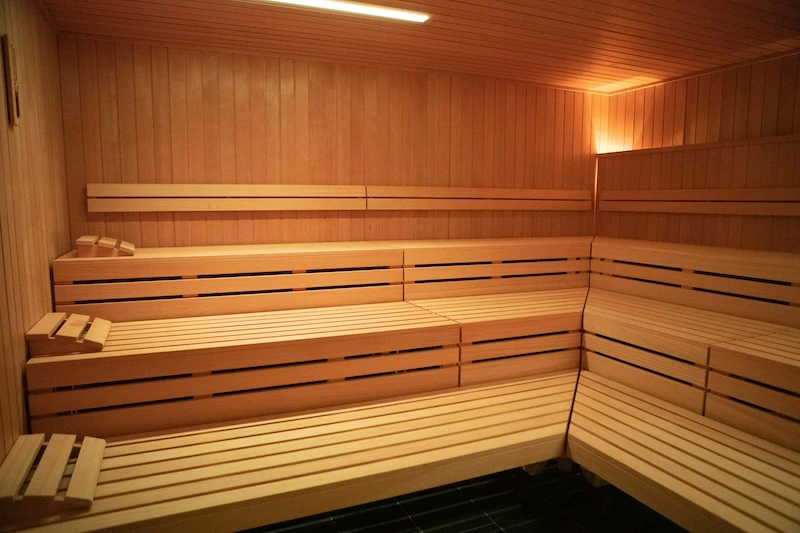
Warm wooden sauna interior at Atlantis Health & Beauty Spa, Tiptree

Sauna, Steam and Jacuzzi: Why Heat Recovery Actually Works

Short answer The sauna, steam room and jacuzzi aren’t a “nice extra” tacked onto a gym — they’re doing real recovery work. Heat exposure after training improves circulation, reduces next-day soreness, helps with sleep, and supports the mental wind-down that makes the gym a place you want to be rather than a chore. Below: the science, the differences between sauna and steam, how to use them properly, and the surprisingly long list of people who’d benefit from making it a regular habit.

There’s a quiet shift happening in fitness, and for once it’s good news for anyone who likes taking it easy: recovery is finally being treated as part of training, not a guilty afterthought. The performance science world — the people who actually work with elite athletes — have known for years that what you do between sessions matters as much as what you do during them. The rest of us are catching up.

And it turns out the sauna, steam room and jacuzzi you might have written off as a “nice extra” in our spa area are doing real, measurable work. Not just for muscle soreness — for cardiovascular health, sleep quality, stress regulation, and the mental break that makes any kind of consistent training possible.

Here’s what’s actually happening, and how to use it properly.

Your muscles grow on rest days, not session days

When you train, you create small amounts of muscle stress — tiny tears in the tissue, depletion of energy stores, accumulated by-products of hard work. The adaptation, the bit where you actually get stronger and fitter, doesn’t happen during the workout. It happens afterwards, while your body recovers and repairs.

Skipping recovery is a bit like baking a cake and taking it out before it sets. The ingredients were right, the heat was right, but you didn’t give it the time to become what it was supposed to become. The session created the stimulus. The recovery makes it count.

This is why the people who train hardest are often the ones who progress slowest. Their bodies never get the chance to adapt before the next stress arrives. The trick is to train hard and recover well — not pick one and skip the other.

The session creates the stimulus. The recovery makes it count. Skip the second part and you’re training for nothing.

What heat actually does for the body

The research on regular sauna use is genuinely impressive, and not the soft kind — it includes long-term studies of thousands of adults followed for decades. The findings are consistent:

  • Improved circulation. Heat expands blood vessels, pushing more oxygen and nutrients to muscles and helping clear the by-products of training that contribute to next-day stiffness.
  • Reduced muscle soreness. Post-workout heat exposure measurably reduces delayed-onset muscle soreness (DOMS) compared to no recovery intervention.
  • Cardiovascular benefit. Regular sauna use has been linked to lower risk of cardiovascular disease in long-term population studies. The Finnish research on this is particularly robust — they’ve been studying their own national sauna habit for years.
  • Improved sleep. The body cools rapidly after heat exposure, and that drop in core temperature is one of the strongest signals your brain uses to initiate sleep. Many people find an evening sauna session gives them noticeably better sleep that night.
  • Heat shock proteins. Regular heat exposure stimulates the production of proteins that help cells recover from stress — useful for muscle repair, but also linked to longevity research.
  • Stress hormone reduction. Time in the sauna lowers cortisol and increases the relaxation response. Twenty minutes in the heat does what an hour of trying to consciously unwind often can’t.

None of this is mystical. It’s straightforward physiology, well-documented, increasingly mainstream.

Sauna vs steam vs jacuzzi: what’s the difference?

The three feel similar from the outside — warm, relaxing, mildly indulgent. They do different things.

Sauna (dry heat)

Typically 70–90°C, low humidity. The dry air lets your body sweat efficiently, which is the main mechanism for the cardiovascular and recovery benefits. Most of the strongest research findings come from sauna specifically. Best for: post-training recovery, cardiovascular conditioning, sleep, deep stress release.

Steam room (wet heat)

Lower temperature (40–50°C), close to 100% humidity. The wet heat is gentler than a sauna and easier to tolerate for longer, with particular benefits for the respiratory system — congestion, sinus tension, dry winter air. Best for: respiratory comfort, gentler recovery, post-illness wind-down, hot-skin afterglow.

Jacuzzi (hot water immersion)

Warm water with jets, typically around 37–40°C. The hydrostatic pressure of the water itself reduces swelling and supports the cardiovascular system in a different way to dry heat. The jets provide soft muscular massage. Best for: muscle soreness, joint aches, lower-back stiffness, post-cardio loosening.

The combined effect

The classic spa sequence — sauna, then jacuzzi, then a few minutes in the steam — gives you the benefits of all three. Most members at Atlantis find their own rhythm within a few visits. There’s no “correct” order, just whatever feels best after the kind of session you’ve done.

The underrated mental side

Heat bathing is one of the few moments in a busy day where there’s genuinely nothing to do but sit still. No phone (it doesn’t like the heat anyway). No to-do list. No screen. No conversation, unless you want one. For a lot of people that ten-minute pause is the most valuable part of the whole visit.

It’s also one of the few socially acceptable ways for adults to do nothing in modern Britain. Sitting on the sofa with your eyes closed for fifteen minutes in the middle of the day feels indulgent. Sitting in a sauna for fifteen minutes is just “recovery,” which makes it permissible.

This matters more than people realise. A nervous system that’s constantly stimulated — emails, notifications, traffic, family logistics, work pressure — needs structured downtime to recalibrate. Heat bathing provides exactly that, in a way that’s harder to skip than “just trying to relax at home.”

It’s also a big reason why the gym becomes a place people want to be rather than a chore. The session is the work; the spa is the reward built into the same visit. Your brain learns to associate the whole experience with feeling good, not just effort.

How to use it well

Practical guidance for getting the most out of it:

  • Train first, recover after. Heat before training reduces your strength output and makes the session feel harder than it should. Use it as the wind-down, not the warm-up.
  • Hydrate properly. You lose fluid in the sauna and steam — sometimes a lot of it. Bring water. Drink before, during and after. A pinch of salt in the water afterwards isn’t a bad idea if you’ve sweated heavily.
  • Short, regular sessions beat one marathon sit. 10–15 minutes in the sauna is plenty for most adults. Pushing to 30+ minutes doesn’t add benefit and can leave you feeling drained for the rest of the day.
  • Cool down between sessions. If you’re doing multiple rounds, a short cool-down (cold shower, brief pool dip) between rounds is genuinely useful. The contrast itself is part of the benefit.
  • Pair it with a swim. A 20-minute easy swim followed by sauna and steam is one of the best “active recovery” days you can have — gentle on the body, restorative for the mind, and it absolutely counts as having shown up.
  • Don’t use it when you’re ill, very dehydrated, or pregnant without checking with your GP first. Most of the time it’s fine. Some of the time it isn’t.
The optimal-sounding routine (that’s actually doable): Three times a week, after your normal sessions: 12 minutes in the sauna, 5 minutes cooling down in the pool, 8 minutes in the jacuzzi, 5 minutes in the steam to finish. Total: 30 minutes of recovery work, on top of training you were already doing. Over six months, the cumulative effect on how you feel is real.

Common mistakes

  • Staying too long. If you’re lightheaded leaving the sauna, you went over your limit. Build up gradually.
  • Eating a huge meal beforehand. Heat shunts blood toward the skin to cool you, which interrupts digestion. Light snack at most.
  • Drinking alcohol around it. Alcohol and heat are both dehydrating. Combined, they’re a recipe for feeling awful. Save the drink for later or skip it entirely.
  • Skipping the cool-down at the end. Going straight from sauna to a hot car park leaves your nervous system unsettled. Allow 5 minutes of normal-temperature sitting before driving anywhere.
  • Bringing a phone in. Apart from the device damage, it defeats the purpose. Leave it in the locker.
  • Treating it as optional. If you’ve paid for spa access and only use it occasionally, you’re leaving most of the value on the table. The benefits come from consistency, not one-off visits.

Who especially benefits

  • Strength trainers — faster recovery between hard sessions, reduced next-day soreness
  • Endurance athletes — cardiovascular adaptation similar to (and additive with) cardio training itself
  • Desk workers — the heat-induced relaxation counteracts a day of low-level stress and physical tension
  • Older adults — gentle on joints, cardiovascular benefits, sleep improvements all matter more with age
  • Anyone with sleep issues — evening sauna sessions are one of the most reliable, drug-free sleep aids available
  • People going through stressful periods — the nervous system reset is genuinely restorative
  • Anyone recovering from minor illness — steam is particularly good for the respiratory system after a cold
  • Adults who need permission to do nothing — honestly, most of us

The Atlantis spa

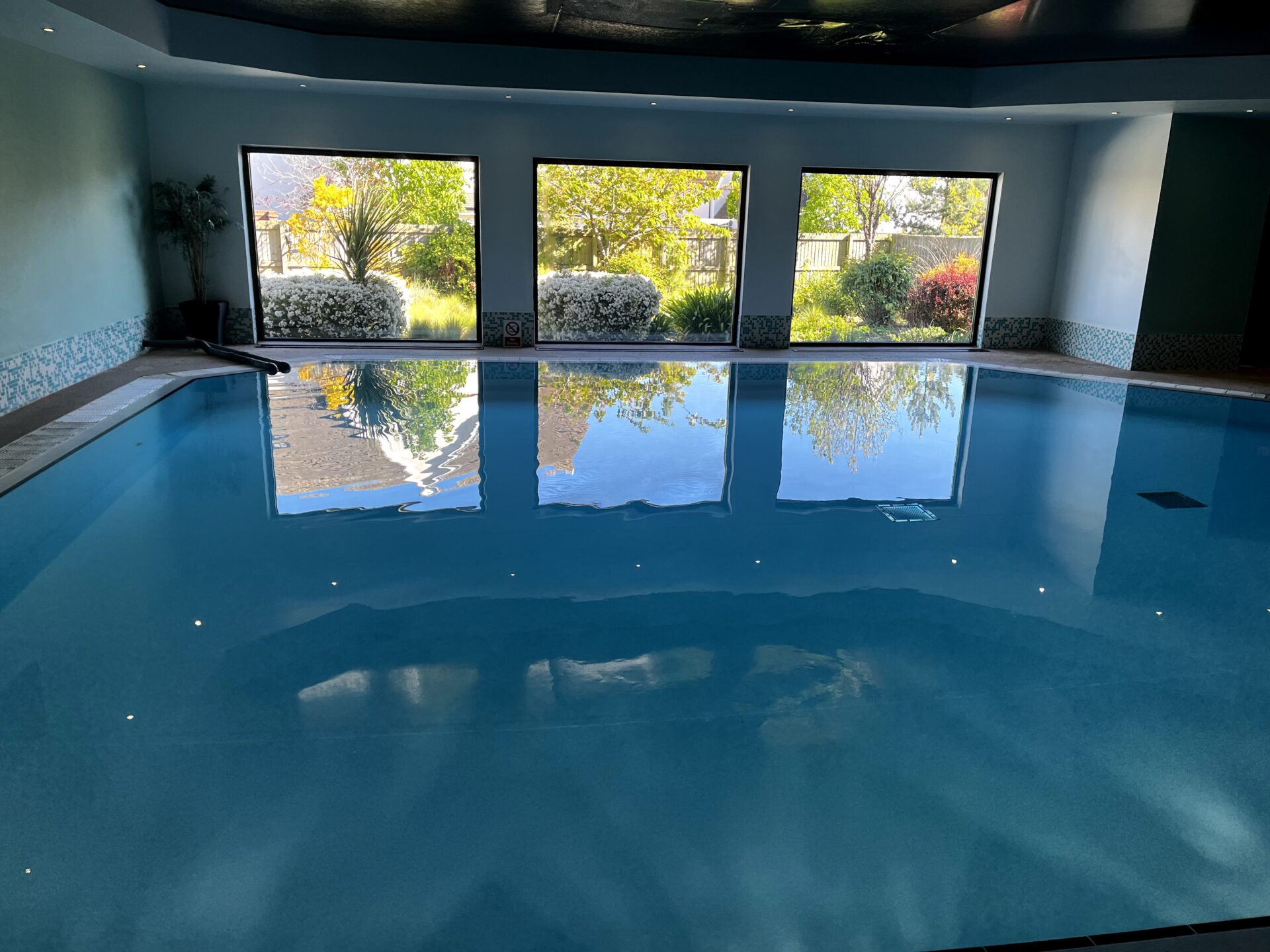
Our spa area — large swimming pool, jacuzzi, sauna and steam room — is here to take you away from the stresses of everyday life, whether you’ve just trained hard or simply need an hour to yourself. Some of our members come purely for this, and that’s absolutely fine by us — the Spa Only membership exists precisely because not everyone wants the full gym, but plenty of people want the recovery facilities.

It’s also one of the most genuinely “wellness” spaces in mid-Essex without the resort price tag. A regular spa habit costs less than two coffees a day at most chains. Used three times a week for a year, the effect on how you feel is meaningful.

The honest bottom line

Heat recovery isn’t magic. It’s just a tool — a well-studied, evidence-supported, surprisingly enjoyable tool that complements training in ways most people underuse.

If you’re already training and you’ve got access to a sauna and steam, you’re missing real value by skipping them. If you’re not training but you’ve got access to them, you’re missing a different kind of value — the daily-life stress relief that adults rarely make time for.

Either way, the cost of adding 20 minutes of heat to your routine a few times a week is small. The cumulative benefit is real. The brain-pause alone is worth it.

Want to make recovery part of your week?

Ask about our Spa Only and full memberships at Atlantis Gym & Spa. Call 01621 816955 or visit us on Chapel Road, Tiptree. Pop in for a look around — the spa space speaks for itself once you’re standing in it.

See Membership Options

Spring Reset: 5 Easy Ways to Get Back Into Fitness in Tiptree

Bright gym floor with cardio machines at Atlantis Health & Beauty Spa in Tiptree, Essex

5 Easy Ways to Get Back Into Fitness This Spring (Without Burning Out)

Short answer You don’t need a dramatic overhaul to get back into fitness. The five things that actually work, in order: commit to two sessions a week (not seven), pick the lowest-friction option you have, get a fresh programme written for who you are now, use classes to take the decisions away, and build in a reward at the end. Spring is genuinely the easiest time of year to restart — the body, the weather and the daylight are all on your side. The hardest part really is just walking through the door the first time.

If the new-year rush has fizzled out and you’re looking at the lighter mornings wondering where to start again, you’re in good company. Most people who joined a gym in January have stopped going by mid-February. Most of those people genuinely meant to keep at it. The plan was just too ambitious for real life.

Spring is the second-best opportunity to restart — and in some ways the first-best, because the pressure is off. You’re not signing up alongside a thousand other people. You’re not making a sweeping declaration. You’re just easing back in, quietly, when the weather’s finally cooperating and the early starts don’t feel like a punishment.

Here are five gentle, realistic ways to ease back into fitness this spring — the kind of approach that actually sticks past April.

Why spring is genuinely easier than January

This isn’t marketing — it’s actually true. Spring delivers a small but real psychological advantage that January doesn’t:

  • Daylight extends. Light mornings make 6am workouts feel possible. Light evenings make after-work sessions feel inviting. Your circadian rhythm is on your side.
  • Temperature warms. Walking to the gym in horizontal February rain is its own special hell. April drizzle is forgivable.
  • The pressure is off. No one’s judging you for starting in April the way they might (silently) for joining mid-January and quitting two weeks later. You’re just an adult building a useful habit.
  • The gym is quieter. Honestly. The January crowds are gone by March. You can use the machines you want, when you want.
  • Your body has settled. Winter inactivity has a way of building a low baseline of stiffness and sluggishness. Spring tends to be the moment your body starts asking for movement again, almost on its own.

You’re not fighting the season. The season is on your side.

1. Start with two visits a week, not seven

The fastest way to quit is to promise yourself the impossible. Six gym sessions a week, an hour each, plus running on Sundays, plus meal-prepping every weekend — this is the standard restart plan most people write for themselves on day one, and it’s the standard restart plan they abandon by day twelve.

Two sessions a week is enough to build the habit. It’s sustainable through a busy week, a sick child, a difficult deadline. It’s also remarkably effective — two well-structured strength-and-cardio sessions a week, repeated for months, will deliver more results than five chaotic sessions you quit after a fortnight.

Put those two slots in your calendar like any other appointment. Same days, same times, repeating weekly. Tuesday 6pm. Saturday 9am. Whatever fits. The fixed pattern is what builds the habit. After a month of doing two sessions reliably, you can think about adding a third — not before.

It’s far easier to add a third session later than to claw back from burnout. Start small. Stay consistent. Build from there.

2. Pick the lowest-friction option you have

Friction is the silent killer of fitness routines. Every step between you and the workout — the drive, the changing, the unfamiliarity of the equipment, the decision about what to do today — is a chance to talk yourself out of it.

The fix is to start with the option that has the lowest friction for you personally. For a surprising number of our members, that’s the pool. A relaxed swim or an Aqua class is kind on the joints, surprisingly good cardio, and doesn’t leave you aching for three days afterwards. You don’t need to know how to use a machine. You don’t need to plan a session. You just need to get in the water.

If the gym floor feels intimidating after a break, the water is a brilliant on-ramp. Some of our most consistent members started with swimming, used it for two months while they rebuilt confidence, and only then graduated to the gym floor proper.

For other people, low-friction looks different:

  • The treadmill — familiar, simple, you just walk
  • A single class on a specific day, every week — no decisions, no flexibility, no flake-out
  • A 25-minute express session with just three exercises — in and out before excuses arrive
  • The spa — if walking into the building at all is the hard part, a sauna and steam visit counts. Get through the door three times a week, and a workout eventually follows.

Pick the version that requires the smallest amount of you to overcome. Build from there.

3. Book a fresh programme

Routines go stale. A programme that was written for the “you” of two years ago, before the back twinge or the new job or the year of inactivity, probably doesn’t fit anymore. Trying to force it usually ends with frustration after the third session.

Every member at Atlantis can get a free health appraisal and a tailored plan — a quick reset that takes the guesswork out of what to actually do when you walk in. Twenty minutes with a member of the team, a few honest questions about where you are now, what you can manage, and what you actually want from the next few months. Then a programme that fits the current version of you, not the version from before.

The relief of arriving at the gym already knowing what you’re going to do is genuinely underrated. Decision fatigue is a real thing, and a written plan in your phone removes most of it.

4. Use a class to take the decisions away

Speaking of decision fatigue: classes are a brilliant restart tool because someone else is doing the thinking.

You don’t need to decide what to train, how heavy, how many sets, in what order. You don’t need to wonder whether you’re doing it “right.” You just turn up, follow along, and do whatever the instructor calls. That’s it.

The Atlantis timetable includes options for almost every level and mood:

  • Total Tone — full-body strength conditioning
  • Legs Bums & Tums — lower-body focus, friendly atmosphere, very approachable
  • Pilates — core, posture, control, ideal for returners
  • Yoga / Fitness Yoga — movement, breath, calm
  • Nifty Fifties — designed for over-50s, friendly pace, regular community
  • BoxFIT HIIT — harder conditioning when you’re ready for it
  • Aqua — full-body, low-impact, in the pool
  • Stretch Mobility & Core — the perfect bookend session

All classes are included with membership — so there’s no reason not to try several and see what clicks. Most members find one or two they end up going to every week, alongside their gym-floor sessions.

5. Build in the reward

This is the trick most fitness plans skip, and it’s probably the most important one.

Your brain learns to repeat behaviours that end with a positive feeling. If your workout ends with you panting in a car park, late for work, slightly resentful — you’re training your brain to associate the gym with stress and obligation. Of course you don’t want to go.

If your workout ends with twenty minutes in the sauna, steam room or jacuzzi — warm, quiet, no demands — you’re training your brain to associate the gym with feeling good. That association is what keeps people coming back long after motivation fades.

At Atlantis, the spa facilities exist for exactly this reason. A swim and a sauna after class. A jacuzzi after legs day. A steam to finish a long week. The recovery is the reward built in, every time. Members who use the spa regularly are also, not coincidentally, the members who train most consistently.

The cheat code for restarters: Promise yourself the sauna at the end. Tell yourself the workout is just the price you pay to get the twenty-minute steam afterwards. Within six weeks, your brain has stopped negotiating — it just expects both, and the workout part stops being the hard sell.

The honest thing nobody tells you about restarting

The first two weeks back are the hardest. Not because of the workouts — the workouts are usually fine. It’s because of the friction. Finding your kit. Remembering your locker code. Working out how the machines have changed. Getting your sleep back on a schedule that includes earlier mornings or evenings at the gym.

Around day fourteen, this settles. Suddenly your kit is packed the night before without thinking. Your locker code is automatic. The walk to the gym feels normal instead of new. Your body has started looking forward to the sessions rather than dreading them.

If you can survive the first two weeks, you’ve mostly survived the restart. The third week onward feels noticeably easier than weeks one and two. Most people don’t know this and quit on day eight, convinced it’s never going to feel okay. Three days later, it would have.

What to skip when you’re restarting

Things people do on restart that quietly sabotage themselves:

  • Trying to match what you used to do. The version of you who trained five years ago is not the version of you starting today. Build a current plan, not a memory.
  • Starting at maximum intensity. The post-workout soreness from going too hard on session one can take ten days to clear. By then, you’ve missed three planned sessions and given up.
  • Buying lots of new kit. The shopping isn’t the workout. Wear what you have. Buy nicer kit after you’ve actually shown up for two months.
  • Tracking everything. Apps, calories, macros, heart rate, sleep. Too much data at restart point is overwhelming. Track one thing: whether you turned up. Build from there.
  • Telling everyone you’re starting. Quiet starters finish more often than loud ones. Just do it.
  • Demanding perfect weeks. One missed session isn’t a failure. Six missed sessions in a row is. Aim for “mostly there,” not “perfect every week.”

The local angle

None of this requires being “fit” first. Atlantis has welcomed every age, every ability and every starting point since 2005 — including a lot of Tiptree members who hadn’t set foot in a gym for a decade before walking through our door. The friendliest thing about a small independent club is that nobody’s watching. Everyone’s just getting on with their own thing.

You don’t need to prepare. You don’t need to lose weight first, or find your old kit, or wait for next Monday. The best spring restart is the one that happens this week.

Fancy a fresh start this spring?

Pop in to Atlantis on Chapel Road, Tiptree, or call us on 01621 816955 to arrange a look around and your free fitness appraisal. No pressure, no commitment — just a chance to see the place and have a chat about what would suit you.

Book a Tour

Best Gym Workouts for Fat Loss in 2026

gym workouts for fat loss. plate with the words 'weight loss' on it. atlantis tiptree

The Best Gym Workout for Fat Loss (2026 Guide)

Short answer There isn’t one. Fat loss comes from a sustained calorie deficit, not a magic exercise routine. The workout that works best is one that builds or protects muscle, raises your daily energy expenditure, and that you’ll actually repeat every week for six months. Two strength sessions, one steady cardio, one harder conditioning piece, and walking more is the framework that delivers — the rest is consistency, food and sleep.

If you’ve searched for the best gym workout for fat loss, what you’re probably hoping for is a magic combination of exercises that melts fat off specific areas in record time. That’s not a criticism — it’s human. We want results, we want them quickly, and the fitness industry has spent forty years convincing us that the right workout is the missing piece.

The uncomfortable truth is that the workout is one of four things that drive fat loss, and arguably the least important of the four. The other three — nutrition, daily movement outside the gym, and sleep — usually matter more. That’s not a reason to skip the workout. It’s a reason to stop expecting the workout to do all the work.

What actually causes fat loss

Body fat is stored energy. Your body holds onto it for situations where food might be scarce — situations that, for most of us in Tiptree and the rest of modern Britain, never actually happen. To lose body fat, you need to spend more energy than you take in, consistently, for long enough that your body has to dip into its reserves to make up the difference.

That’s it. That’s the only mechanism. Everything else — the protocols, the splits, the supplements, the influencer routines — is just different ways of trying to nudge that one equation in the right direction.

The reason there isn’t a single best workout is that workouts contribute only one part of the equation: energy spent in the gym. A 60-minute weights session burns somewhere between 250 and 400 calories. A hard cardio session might burn 400 to 600. That’s not nothing — but it’s a Mars bar and a packet of crisps. The food you put in your body, and the movement you do across the other twenty-three hours of the day, dwarf what happens in any single workout.

Why strength training beats cardio for fat loss

This is going to surprise people who’ve been told for decades that cardio is the fat-loss exercise. It isn’t, and the reason is muscle.

Muscle tissue is metabolically active. It costs your body energy to maintain, even when you’re sitting on the sofa watching the football. The more muscle you carry, the higher your resting metabolic rate — meaning you burn more calories doing absolutely nothing.

When people lose weight through cardio alone and aggressive dieting, they tend to lose a frustrating amount of muscle along with the fat. Their body becomes smaller but also less metabolically active, which is exactly what makes weight regain so common. The classic “lost twenty pounds, gained back twenty-five” cycle is largely a story of lost muscle followed by regained fat.

Strength training while in a calorie deficit protects muscle. Done right, it can even add muscle while you’re losing fat — particularly if you’re new to lifting. The result is a body composition change that lasts: less fat, more muscle, higher metabolism, better shape, stronger frame.

If you only have time for one type of training to support fat loss, lift weights.

The four-day fat loss training week

Here’s a framework that works for the vast majority of people, beginner through intermediate:

  • Day 1: Full-body strength session (45–60 minutes) — squat or leg press, chest press, lat pulldown, Romanian deadlift, shoulder press, plank
  • Day 2: Steady cardio (30–45 minutes) — incline treadmill, bike, rower or cross trainer at a moderate pace
  • Day 3: Full-body strength session (45–60 minutes) — same pattern, different exercises or rep ranges
  • Day 4: Intervals or circuit (25–40 minutes) — SkiErg/rower intervals, a mixed-equipment circuit, or punch-bag conditioning

Across the week: two strength sessions, one steady cardio, one harder conditioning piece. Three of those four pieces already exist in the Atlantis Workout Library under their proper names — Full-Body Strength & Fitness, Steady Stamina Builder, SkiErg & Rower Intervals and the Calorie-Burn Circuit. Pick, rotate, repeat.

The trick is consistency. A perfect plan you do for three weeks loses to a slightly imperfect plan you do for six months. Every time.

What good cardio looks like — and what to skip

Cardio absolutely belongs in a fat-loss plan, but not for the reasons most people think. Cardio doesn’t burn fat directly while you’re doing it (that’s not how it works metabolically), and it doesn’t “boost your metabolism” in any meaningful long-term way. What it does is:

  • Add to your daily calorie expenditure
  • Improve heart and lung fitness, so you can do more in the gym
  • Improve recovery from strength sessions
  • Help with hunger regulation and stress, which makes nutrition easier

Cardio that helps

  • Steady incline walking — kind to the joints, easy to repeat, can be done while listening to a podcast. Massively underrated. The incline treadmill at Atlantis is one of our most-used machines for exactly this reason.
  • Rowing — full body, low impact, scales from gentle to brutal depending on effort
  • Cycling (bike or outdoor) — recoverable, joint-friendly, great for high volume
  • Short intervals — once or twice a week, no more. The 80% rule: if it leaves you wrecked, you did too much.

Cardio that doesn’t

  • Hours of slow steady-state when you’re already tired and under-recovered
  • Punishing HIIT five days a week — your nervous system can’t recover, your strength sessions tank, and you end up doing everything badly
  • Cardio as punishment for what you ate — psychologically corrosive and rarely sustainable

The secret weapon: walking

NEAT stands for non-exercise activity thermogenesis. It’s a technical name for every calorie you burn that isn’t from a workout — walking around the house, fidgeting, standing up to make tea, climbing the stairs, walking the dog, mowing the lawn.

For most people, NEAT burns three to five times more calories per day than their gym workout does. It is the single most overlooked lever in fat loss.

The practical version: hit 8,000 to 10,000 steps a day. Don’t drive somewhere you could walk. Take the stairs. Park further away. Walk during phone calls. Walk after meals. None of these things feel like fitness. All of them add up.

If you do nothing else from this entire article: Walk more. Step counts in the 8–12k range, sustained for months, have outperformed structured cardio programmes in multiple weight-loss studies. It’s also the cheapest, least demanding, most enjoyable form of exercise on the planet.

The food bit (you knew it was coming)

You can’t out-train poor nutrition. Not in your twenties, definitely not in your forties. This article is about training rather than eating, so the short version:

  • Protein matters most. Aim for around 1.6 to 2.2 grams per kilogram of bodyweight per day. It keeps you full, protects muscle, and has the highest metabolic cost to digest.
  • Eat mostly whole foods. Not because processed food is evil, but because whole foods are harder to overeat. A 200-calorie apple takes longer to eat than a 200-calorie biscuit.
  • You don’t need to count calories forever. But you should count them for a fortnight to learn what you’re actually eating. Almost everyone underestimates by 30% or more.
  • Don’t drink your calories. Especially alcohol. It’s the silent destroyer of fat-loss progress.

The mistakes that kill fat loss progress

  • Switching workouts every week looking for “the right one” — you can’t progress what you don’t repeat
  • Endless cardio at the expense of strength — see the muscle argument above
  • Eating like you’re in a deficit at home and like you’re on holiday at weekends — averages out to maintenance
  • Sleeping six hours a night — wrecks hunger hormones, wrecks recovery, wrecks willpower
  • Measuring progress only on the scales — water-weight fluctuations swamp real fat loss day to day. Use photos, measurements, and how clothes fit.

What we see at Atlantis

The members at our gym in Tiptree who change their body composition over a year aren’t the ones doing the most extreme workouts. They’re the ones who turn up three or four times a week, every week. They lift weights. They walk most days. They get most of their food right, most of the time. They sleep. They give it months, not weeks.

The members who don’t see results are usually the ones who throw themselves at fat loss like a war for six weeks, burn out, vanish for two months, then start again from scratch in January. It’s the classic on-and-off cycle, and it never delivers.

The boring path beats the dramatic one every time.

A four-week starter plan

If you’re new to all this and want a structured place to begin, here’s a complete plan you can run at Atlantis straight away. Repeat it weekly for the full month, then reassess.

  • Monday: Full-Body Strength & Fitness (from the Workout Library)
  • Tuesday: 30-minute incline treadmill walk + 5-minute core finisher
  • Wednesday: Rest, or a class like Stretch Mobility & Core from the timetable
  • Thursday: Full-Body Strength & Fitness, alternate exercises
  • Friday: Steady Stamina Builder — 35 minutes on a machine of your choice from the Gym-Apedia
  • Saturday: Calorie-Burn Circuit OR a Boot Camp class
  • Sunday: Walk outdoors for 45+ minutes

Walk every other day. Eat protein at every meal. Track your food for the first two weeks. Repeat the same plan for the full month. Reassess at the end.

Want help putting this into practice?

Atlantis members get a staff team who’ll walk you through any of the workouts above and help you set up the equipment safely on your first attempt. We’ve been doing this for over twenty years in Tiptree — we’ve seen every kind of fat-loss journey there is.

See Membership Options

Why Joining A Friendly Gym Matters More Than You Think

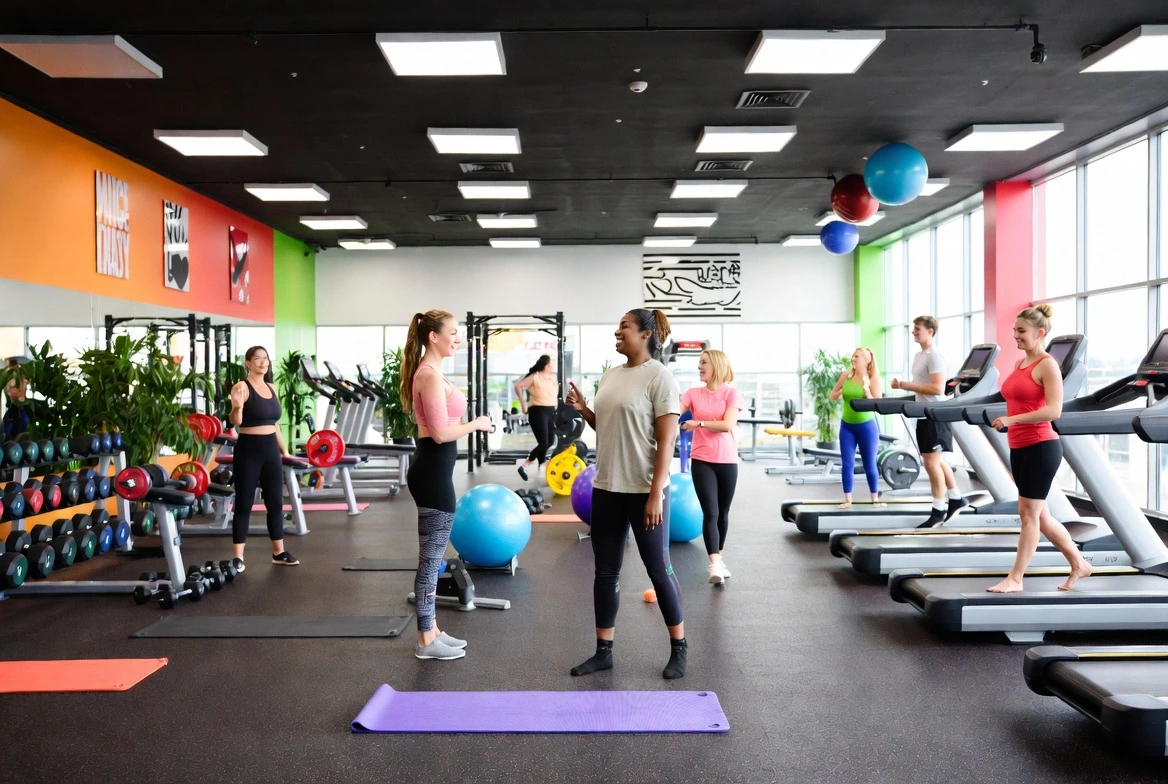
why it matters joining a friendly gym blog. room with a friendly gym vibe - atlantis tiptree

Why Joining a Friendly Gym Matters More Than You Think

Short answer The single biggest predictor of whether you’ll still be going to the gym in March isn’t your motivation, your January goals, or how much you pay each month. It’s whether you feel comfortable walking through the door. A friendly, welcoming gym beats a flashier intimidating one every time, because consistency beats intensity over a year. Especially if you’re a beginner, returning after a break, or just tired of feeling like a number at a chain.

Walking into a gym for the first time can feel surprisingly intimidating. Modern fitness culture leans heavily on appearances, extremes, and social media trends — six-pack timelines, transformation reels, “new year, new you” pressure — which can make gyms feel like places you’re supposed to already be fit before you arrive.

For most people, though, fitness isn’t about becoming a professional athlete or chasing perfection. It’s about feeling healthier, sleeping better, building confidence, reducing stress and creating a routine that actually fits the rest of life. None of which requires a gym with thumping bass, mirrored walls and a personal trainer in your face within four minutes of signing up.

The atmosphere of a gym matters far more than most people realise. And it matters in a very particular way: it’s the single biggest factor that determines whether you’ll still be turning up six months later, when the January motivation has long since worn off.

The January trap

The numbers on this are eye-watering. Around 80% of January gym joiners stop turning up by mid-February. By April, the figure is closer to 95%. That’s not weakness or laziness — it’s a systemic problem with how big-chain fitness is sold.

The model is built around January. The big gyms sign up tens of thousands of new members in the first two weeks, charge them for a full year, and quietly count on most of them not coming. The whole business plan depends on the failure of the people paying for it. It is not a friendly system.

The result is gyms that look great in adverts, are packed on January 5th, and feel impersonal and discouraging by January 20th. The flagship features — the bright lights, the rows of identical machines, the screens showing fitness influencers — all subtly say: this place is for people who are already fit. Not for you.

The big-chain January model is built around your failure. The friendly-gym model is built around your return.

Confidence starts with environment

One of the biggest reasons people stop exercising isn’t willpower. It’s that they simply don’t feel comfortable in the environment they’re training in.

Large commercial gyms can feel impersonal, even intimidating, especially for beginners. Busy floors, unfamiliar equipment, the low-level anxiety that someone’s watching you — all of it knocks confidence before momentum has had a chance to build. People decide, often within their first three visits, that the gym “isn’t for them.” They’re half right. That gym isn’t for them.

A friendly gym environment changes the whole equation. When people feel welcomed and not watched, they’re much more likely to enjoy the experience, ask questions when they need to, and return next week. Familiar faces, positive interactions, a non-judgemental atmosphere — these aren’t soft fluff. They’re the actual mechanism by which adults stick to anything new.

This matters especially for:

  • Beginners who’ve never set foot in a gym and don’t know how a machine works
  • Older adults who feel out of place in a room full of twenty-somethings
  • Returners who used to train years ago but have lost the confidence to walk back in
  • Anyone going through a hard patch — grief, stress, illness, body-image difficulty — for whom the gym needs to be a relief, not another source of pressure

The vast majority of adults belong in one of those four categories. Almost no one is the person the chain-gym advertising imagines.

Community creates consistency

Motivation naturally comes and goes. Consistency is what creates long-term progress.

One of the most overlooked benefits of joining a community-focused gym is the positive impact on consistency. When people enjoy where they’re training, exercise stops being something they have to force themselves to do, and starts being something they look forward to. The Tuesday Pilates class becomes a fixed point in the week. The early-morning regulars learn each other’s names. The receptionist remembers your dog’s recent surgery.

This isn’t sentimentality — it’s behavioural science. Humans repeat behaviours that are tied to positive social context. We avoid behaviours that feel anonymous and transactional. A friendly gym leverages this; a corporate one fights against it.

Independent gyms create stronger community connections because the environment is genuinely more personal. Staff know members by name. People naturally interact between sets and in the changing room. The atmosphere feels welcoming rather than corporate. Some of our members at Atlantis have been part of the same Tuesday Pilates group for over a decade. They didn’t join the class for the friendship — the friendship happened because they kept going to the class. The two reinforce each other.

Wellness is more than exercise

Modern wellness has finally caught up with what older traditions always understood: training isn’t the whole story. Recovery, sleep, stress management, social connection and relaxation are equally important parts of the equation.

This is why gym-and-spa environments have become genuinely popular in the last decade. The chance to combine a hard training session with a sauna afterwards, or a swim and a steam to follow a stressful week, is more useful than a gym alone. The recovery isn’t the dessert. It’s half the meal.

At Atlantis Gym & Spa, members have access to facilities designed to support both fitness and wellbeing under one roof:

  • A fully equipped gym floor with cardio, free weights and resistance machines
  • A dedicated functional fitness and combat training area
  • The spa: swimming pool, sauna, steam room and jacuzzi
  • A full timetable of group classes — Pilates, Yoga, Aqua, HIIT, Boot Camp, and more
  • Beauty treatments with Sue — facials, massage, waxing, nails
  • Reiki therapy with Sean for deeper wellbeing and recovery

Creating a balanced environment is what makes fitness feel sustainable across decades, not just months.

Independent gyms offer a different experience

There’s something genuinely different about independently run gyms and wellness clubs.

Rather than feeling like corporate spaces — the same fit-out you’d find in Slough or Norwich or anywhere else — independent gyms develop their own personality, atmosphere and sense of community over time. People recognise each other. Friendships form naturally. The environment feels relaxed and welcoming rather than performance-pressured.

It also means the people who own the gym are usually the people you actually meet. At Atlantis, Sean and Sue have been running the place since they founded it in 2005. They’re both still on site. If you have a problem, you don’t escalate it through a call centre — you mention it to the people who built the club. The accountability is direct, the ethos is consistent, and the place feels like somewhere with a soul rather than a brand template.

The big chains can’t replicate this. It’s not in their business model. They’re optimised for member volume and standardisation. Independent clubs are optimised for the people who actually walk through the door.

What a friendly gym actually looks like (in practice)

Beyond the marketing, here’s what “friendly gym” means at Atlantis on a normal Tuesday:

  • Reception staff who learn your name in the first week and remember it forever
  • An instructor who notices you on a new machine and offers a 30-second walk-through, no upsell
  • The same group of regulars in the same classes — people who say hello in the car park
  • A changing room culture where nobody’s in a rush and conversation is normal
  • Members of every age and shape, training at every level of intensity, all coexisting without judgement
  • A spa area where you can spend twenty minutes in the steam after class and nobody’s clock-watching
  • An owner who’ll genuinely sit down with you if you want to talk about what would suit your goals

None of this is in the brochure. None of it shows up in the social ads. But it’s what makes the difference between “I’m a member of a gym” and “I’m part of a place.”

The test of a friendly gym: Can you walk in on a Tuesday morning, not see anyone you know, and still feel welcome? At chain gyms, the answer is usually “you’re invisible.” At a good independent club, the answer is “reception says good morning by name and asks how your week’s going.” That’s the difference.

What our members actually say

The throughline in feedback from Atlantis members tends to be similar regardless of whether they’re in their twenties or seventies:

  • “I’d been a member of [big chain] for two years and was barely going. I’ve been at Atlantis four months and I’m here three times a week.”
  • “I came back to the gym after a long break and was nervous — the staff made it so easy.”
  • “Sean walked me through every machine on day one. I’d never had that anywhere else.”
  • “The class crew has become some of my closest friends.”
  • “I come for the spa as much as the gym, honestly. It’s the best part of my week.”

None of that comes from the equipment. It comes from the environment.

Fitness should feel supportive, not intimidating

The truth is that the “perfect” gym isn’t necessarily the one with the loudest music or the biggest Instagram presence. For most people, the best gym is simply the one where they feel comfortable enough to keep showing up consistently. The one where they bump into the same kind faces every week. The one where the staff know they exist.

A friendly environment builds confidence, improves motivation, and makes fitness feel like a part of life rather than a punishment. It’s also the only sustainable model for adults who aren’t trying to win Olympia — which is, frankly, all of us.

Whether you’re completely new to exercise, returning after time away, or simply tired of feeling like a swipe-card number at a chain, finding the right environment can make all the difference.

If you’re thinking about it

If you’re reading this in January, the urge to sign up somewhere flashy is loud. Resist it. The flashy thing rarely delivers across a year. The friendly thing usually does.

If you’re reading this in any other month, the same applies — you just don’t have the advertising noise pulling you toward the wrong decision. Easier to think clearly.

Atlantis Gym & Spa has been in Tiptree, Essex since 2005. Independent. Family-run. Built around the simple idea that most people want a gym they actually look forward to going to. If that sounds like what you’ve been missing, come and have a look.

Come and see for yourself

Book a tour of Atlantis Gym & Spa in Tiptree — no commitment, no pressure, just a chance to walk around the club and see whether it feels like a place you’d actually look forward to coming to. Call 01621 816955 or visit us on Chapel Road.

Book a Tour

The Rowing Machine: How to use the Best Cardio Tool in the Gym

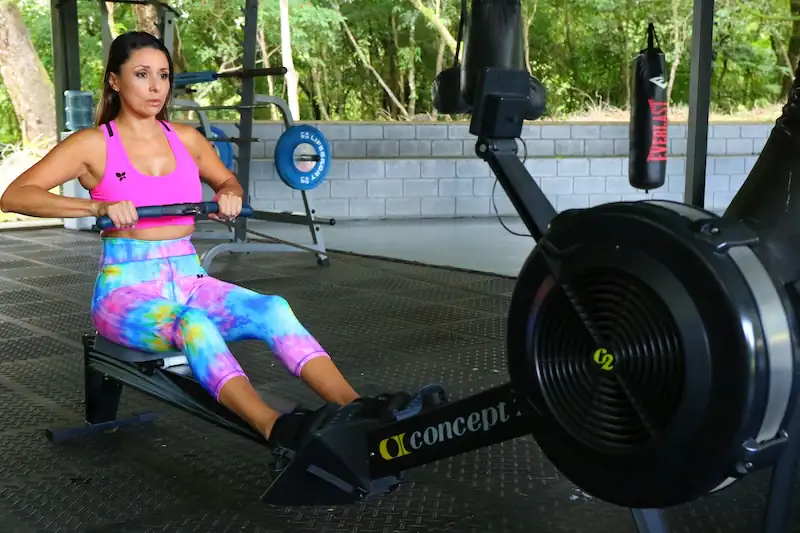
ladt on an indoor rowing machine at Atlantis Gym in Tiptree, Essex

How to Use a Rowing Machine Properly (The Technique Fix That Changes Everything)

Short answer The rower is one of the best cardio machines in any gym — full-body, low-impact, posture-friendly, brutal calorie burn. The catch is technique. The stroke is 60% legs, 20% core/hips, 20% arms, in that order. Most people do it backwards (all arms, no legs) which is why their back aches and their times are awful. Fix that one thing and the whole machine clicks. Below: technique walkthrough, common mistakes, three workouts, and how to read the screen without getting lost.

If you could only have one cardio machine, the rower would be a serious contender for the top spot. It works your whole body, builds cardiovascular fitness, supports posture, and is famously efficient — you can do real, productive cardio in fifteen minutes. It loads the back and lats in a way that desk-bound bodies genuinely need. And it scales beautifully from a gentle five-minute warm-up to a brutal twenty-minute test of character.

The catch: most people row with technique so bad it makes the machine feel pointless. They yank with their arms, drag their legs, hunch their backs, and finish each session convinced they’re “not really a rowing person.” They’re not wrong about the experience — just wrong about the cause. With proper technique, the rower transforms from frustrating to genuinely brilliant. And the fix is much simpler than it looks.

Why the rower deserves more love

  • Around 85% of your muscles working per stroke. Legs, glutes, core, back, lats, shoulders, arms — all involved. Far more than any “cardio” machine that uses just your legs.
  • Low impact. No pounding on knees, hips or ankles. You can row hard for years without joint stress catching up with you.
  • Builds the posture muscles. The pulling movement is exactly what desk-bound bodies need — lats, mid-back, rear shoulders, all the muscles weakened by hours in front of a screen.
  • Big calorie burn per minute. Per-minute, it’s one of the highest calorie outputs of any cardio machine, particularly during intervals.
  • Genuinely scales. Gentle steady rows for endurance, all-out 30-second intervals for conditioning, anything in between for general fitness. Same machine, different effort.
  • Honest feedback. The screen tells you distance, time, pace and stroke rate every second. Easy to track progress week to week.
If you’ve been rowing for months and your splits aren’t improving, it’s almost never your fitness. It’s your technique.

The technique fix that changes everything

The rowing stroke is 60% legs, 20% core/hips, 20% arms — in that order. Most people do it the opposite way round (yanking with the arms, dragging with the legs), which is why their back aches and their times are slow.

The breakdown comes from competitive rowing coaching where it’s been refined over a century. Elite rowers don’t pull with their arms. They drive with their legs. The arms only finish what the legs started.

The four phases of the rowing stroke

  1. Catch. Knees bent, shins vertical, arms straight out in front, body leaning slightly forward from the hips. You’re fully compressed, ready to drive.
  2. Drive. Push hard through your legs first. Arms stay straight. The handle moves because your legs are extending, not because your arms are pulling.
  3. Finish. As your legs straighten, lean back slightly from the hips, then pull the handle to your lower ribs. The arms are the last 20% of the movement, not the first.
  4. Recovery. Reverse the order: arms extend forward first, then the body hinges forward from the hips, then the knees bend to slide you back to the catch. Smooth and slow — the recovery should take about twice as long as the drive.

The killer cue, the one that fixes most rowers in about thirty seconds: legs, body, arms on the drive. Arms, body, legs on the recovery. Say it out loud the first few times. It clicks.

Common rowing mistakes (and how to spot them)

  • Arms-first pulling. If your shoulders are doing all the work and your legs feel underused, you’re reversing the sequence. Drive the legs first, hard. The arms barely matter.
  • Rounded back at the catch. If you’re hunched forward with a curved spine at the front of the stroke, you’re reaching with your shoulders instead of hinging from the hips. Keep the chest up and lean from the hips, not the upper back.
  • Rushing the recovery. The recovery should be roughly twice as long as the drive. If you’re flying back to the catch at the same speed you drove, you’re burning energy with no purpose. Slow down on the way forward.
  • Pulling too high. The handle should come to your lower ribs, not your collarbone. Pulling to the chin engages the wrong muscles and looks like the universal sign of someone who learned to row from a music video.
  • Knees collapsing inward. If your knees fall toward each other on the drive, you’re losing power and risking the joints. Drive knees outward, in line with toes.
  • Death grip on the handle. A relaxed, hooked grip is enough. Squeezing the handle white-knuckled wastes forearm energy and tightens your shoulders.
  • Stroke rate too high. Beginners often try to row at 30+ strokes per minute. Real, efficient rowing happens at 20–26 strokes per minute. Slower, more powerful strokes beat fast, weak ones every time.

How to read the screen

The Concept2 monitor on most rowers shows four main numbers. Quick translation:

  • Distance: how far you’ve rowed in metres. The clearest progress metric over time.
  • Time: session length.
  • Split (per 500m): the most useful number on the screen. It shows how long it would take you to row 500 metres at your current pace. Lower is faster. Most adults sit between 2:00 and 2:45 for steady rowing.
  • SPM (strokes per minute): how often you’re completing a full stroke cycle. Aim for 20–26 for steady work, 28–32 for intervals. If you’re at 35+, you’re flailing.

The trick: focus on split, not strokes per minute. A slow stroke rate (22 SPM) with a strong pull will produce a faster split than a fast stroke rate (32 SPM) with weak pulls. Power per stroke beats speed of strokes, every time.

The benchmark to aim for: A typical fit adult should be able to row 2,000 metres in 8–10 minutes. Below 8 is solid. Below 7 is genuinely fit. The 2k row is the standard rowing benchmark for a reason — it tests fitness, technique and mental toughness in roughly equal measure.

Three rower workouts to try this week

1. The smooth 10-minute starter

Row at a steady, conversational pace for 10 minutes. Goal isn’t speed — it’s nailing the rhythm and technique. Aim for 20–24 strokes per minute. Keep the split consistent. Don’t fade.

Repeat 2–3 times a week. By week three, your steady split will have dropped 10 seconds without you trying.

2. The 500m intervals

Row 500m hard, then rest 90 seconds. Repeat 4 times.

Note your times — and try to keep all four within 5 seconds of each other. The skill is pacing, not just flat-out effort. Brilliant 15-minute workout that delivers in well under 20.

3. The “I’m short on time” combo

Alternate 250m row with 10 press-ups, for 5 rounds.

Full-body, lung-burning, and done inside 15 minutes. The press-ups feel disproportionately hard after the row — that’s the point.

4. The 2k test (for benchmark days)

Once every 6–8 weeks, row 2,000 metres at maximum sustainable effort. Record your time. This is your benchmark.

Pace it: start at a pace you can hold, not your sprint pace. The middle 1,000m is the hardest section. The last 500m is where you push. If you’ve paced it right, you should be unable to talk at the end.

Rower vs treadmill: the honest comparison

The most common question once people get serious about cardio.

The treadmill

Familiar. Effective. Higher impact (so harder on joints over time). Mostly legs. Standing all session. Good for outdoor running carry-over.

The rower

Full-body. Low impact. Posture-supportive. Higher calorie burn per minute at matched effort. Less familiar (so the learning curve is steeper). Better for desk workers, joint-sensitive people, and anyone wanting upper-body involvement.

The honest verdict

For pure cardio fitness, both work. For total-body fitness, recovery from desk work, and time-efficient burn, the rower wins on a per-minute basis. For people who specifically enjoy running or are training for a 5k, the treadmill wins because of carry-over.

Most members at Atlantis benefit from both in their week. The treadmill on days they want lower-skill, podcast-friendly cardio. The rower on days they want a shorter, harder, more complete session. The mix is the answer.

Where it fits in your training

The rower is brilliant as:

  • A warm-up — 5 minutes easy, gets the blood moving and the lats firing before strength work
  • Your main cardio day — 20–30 minutes steady, or 15 minutes of intervals
  • A finisher after lifting — 5 minutes of moderate rowing locks in the calorie burn
  • A test of fitness — the 2k row every couple of months tells you how your overall fitness is progressing
  • A wet-weather substitute for running — same cardiovascular benefit without the rain

The rower is a core part of the cardio equipment at Atlantis and pairs particularly well with the strength sessions in our Workout Library — Steady Stamina Builder, SkiErg & Rower Intervals, and the Calorie-Burn Circuit all use it.

How long it takes to improve

Honest expectations:

  • Week 1–2: Technique starts to feel less awkward. You stop having to think about the leg-body-arm sequence.
  • Week 3–4: Your steady split drops noticeably. Sessions feel easier at the same pace.
  • Week 6–8: Real fitness gains. The 2k benchmark starts to fall. Your endurance under load improves across every other gym session too.
  • 3 months in: You’re a competent rower. The technique is automatic. You’ve probably knocked 20+ seconds off your 2k.

It’s one of those rare skills where small consistent work produces visible, measurable improvement on a screen in front of you. That feedback loop is genuinely motivating.

Not sure your technique’s right?

Grab a member of the team for a quick check — five minutes can transform how rowing feels. We’ve been coaching this for over twenty years in Tiptree. Call 01621 816955 or visit Atlantis Gym & Spa, Chapel Road, Tiptree.

Get In Touch

The SkiErg: The Underrated Cardio Machine Everyone Should Try

SkiErg cardio conditioning machine at Atlantis Gym in Tiptree, Essex

How to Use a SkiErg (And Why It’s the Cardio Machine You’re Missing)

Short answer The SkiErg is the upper-body powerhouse of the cardio room and one of the most under-used machines in any gym. Full-body, low-impact, brutal calorie burn, brilliant for HIIT. Stand close, reach overhead, pull down powerfully — “punch the handles past your hips” — let it retract, repeat. Five minutes in, you understand why people love it. Below: three beginner-friendly workouts, common mistakes, and how it compares to the rower (everyone’s second question).

If you’ve ever spotted the SkiErg in the corner of the gym and thought “no idea what that is, I’ll leave it,” you’re absolutely not alone. It’s one of the most under-used machines in any gym — and one of the best. People avoid it because it looks unfamiliar. The few who try it tend to become regulars surprisingly quickly.

The SkiErg deserves a slot in your weekly cardio mix for a list of reasons we’ll come to. But first — what it actually is.

What it actually is

The SkiErg was developed by Concept2 (the same people who make the rowers you see in every commercial gym) to mimic the pulling action of cross-country skiing — specifically the “double poling” technique elite skiers use to drive themselves up an incline. It’s used by professional Nordic skiers in their off-season training. It’s also been quietly adopted by CrossFit gyms, strength & conditioning coaches and rehab specialists across the world.

You stand in front of it, grip the two handles overhead, and pull down in a powerful, rhythmic movement that comes from your whole body. It looks unusual the first time you try it. Five minutes in, you understand why people love it.

Why it’s worth your time

  • Full-body conditioning. Lats, shoulders, core, hips, legs all working together — not just an arm exercise despite how it looks.
  • Huge calorie burn for the time spent. Per-minute calorie output rivals running and rowing for a fraction of the joint stress. A 15-minute SkiErg session genuinely counts.
  • Low impact. Kind to knees, hips and ankles if running isn’t an option — or simply isn’t something you enjoy.
  • Brilliant for HIIT. The machine is built for short, hard intervals. Easy to push hard for 20–30 seconds and recover.
  • Upper-body cardio. This is the underrated bit. Most gym cardio is leg-driven — treadmill, bike, cross trainer. The SkiErg loads the upper body in a way that complements those machines beautifully.
  • Reads instant performance feedback. Distance, time, watts, calories — the screen tells you exactly what you’ve done. Easy to track progression week to week.
It’s the only cardio machine in most gyms that loads your back, lats and shoulders the way they were designed to be loaded. That’s the under-rated bit.

How to use one (without looking lost)

  1. Stand close to the machine, feet roughly shoulder-width apart, knees soft.
  2. Reach up and grab the handles with arms straight overhead. Don’t grip too tight — a firm but relaxed hold.
  3. Pull down powerfully — think “punching the handles past your hips.” The pull goes from straight-overhead all the way down to your hips, not just halfway.
  4. Hinge at the hips as you pull, allowing your knees to bend slightly. The movement comes from the whole body, not just the arms.
  5. Let the cord retract smoothly as you return to the start position. Don’t fight the retraction — let the machine reset you.
  6. Reach up and repeat, falling into a steady, rhythmic pattern.

The thing that catches first-timers out is treating it like a pure arm exercise. It isn’t. The arms are the visible bit, but the power comes from the hips driving back and the core bracing as you pull. If your arms are killing you within 30 seconds, you’re relying on them too much. Pull from the lats and core, and the arms last much longer.

Three beginner-friendly workouts to try

1. The five-minute starter

30 seconds of steady, smooth pulling, then 30 seconds rest. Repeat for 5 rounds. Total time: 5 minutes.

Goal: get used to the rhythm and find your natural pace. Don’t worry about distance or watts the first time — just nail the movement.

2. The “I want to feel something” 10-minute session

1 minute moderate effort, 30 seconds hard, 1 minute moderate, 30 seconds rest. Repeat four times. Total time: 10 minutes.

Tough but short. The 30-second hard intervals should feel like an 8 out of 10. By the fourth round, you’ll know you’ve trained.

3. The conditioning finisher

After your strength session, do 4 rounds of 250 metres on the SkiErg with 60 seconds rest between rounds. Total time: 8–10 minutes flat.

A brilliant way to end a workout. The screen tells you the metres so you don’t have to think — just hit 250, rest, repeat.

4. The progression workout (when you’re ready)

For when the three above feel comfortable: 5 rounds of 500 metres at a target pace, with 90 seconds rest between rounds.

Pick a pace you can hold for all five rounds without falling apart. If you smash the first round and crawl through the last, the pace was too aggressive. The skill is finding a pace that’s repeatable.

The pace cheat: The SkiErg screen shows “split” in /500m — how long it would take you to do 500 metres at your current pace. A good steady pace for most women is around 2:30–2:45 per 500m; for men, 2:00–2:20. Hard intervals push under 2:00 for women, under 1:45 for men. Doesn’t matter if your numbers are different — just find your steady, find your hard, and the progression takes care of itself.

Common mistakes to avoid

  • Standing too far back. If your arms aren’t reaching fully overhead, you’re missing the top half of the movement. Step closer.
  • Pulling with arms only. Drives early fatigue and lets your legs and core off the hook. Hinge at the hips.
  • Yanking the cord. The pull should be powerful but smooth, not jerky. Jerky pulls are how you tweak a shoulder.
  • Rounding your back at the bottom. Keep the spine relatively neutral as you hinge — don’t collapse forward.
  • Death grip. Squeezing the handles too hard burns out your forearms. Firm grip, not crushing.
  • Going all-out from rep one. Most beginners blow up in 60 seconds because they treat it like a sprint. Settle into a sustainable pace first; build intensity over weeks.

SkiErg vs rower: which should you use?

The most common question once people discover the SkiErg. Honest comparison:

The rower

Slightly more total muscle engagement (around 86% of body muscle mass per stroke). Strong leg drive. Familiar to most gym-goers. Easier to find a comfortable technique on. The default choice for general full-body cardio.

The SkiErg

More upper-body emphasis — particularly lats, shoulders and core. Standing position rather than seated, which loads the hips and posterior chain differently. Slightly harder to look natural on at first (because nobody’s ever taught it to you). Better for breaking out of treadmill-and-bike monotony.

The honest verdict

You don’t have to choose. Use both. They complement each other beautifully — row one session, SkiErg the next, and your weekly cardio mix is doing more for you than either alone. If you forced us to pick one for a desert island gym, we’d probably take the rower for slight versatility. But the SkiErg is where the most under-used cardio gains are hiding for most adults.

Who especially benefits from the SkiErg

  • Desk workers — the overhead pulling action counteracts hours of forward-rounded shoulders
  • Anyone with knee, hip or lower-back issues — low impact, gentle on the joints
  • People who’ve plateaued on traditional cardio — the novel stimulus often kickstarts progress
  • Strength lifters wanting conditioning — short SkiErg intervals are brutal without taking the legs out for the next leg day
  • Boxing and combat sport athletes — the explosive pull pattern carries over to the ring
  • Anyone who’s bored of the treadmill — variety is genuinely good for sticking with cardio long-term

Where it fits in your week

The SkiErg works beautifully as:

  • A full cardio session in itself — 15–25 minutes of intervals once a week
  • A replacement for a usual cardio session — swap one bike or rower day for SkiErg to break up the routine
  • A 5–10 minute warm-up or finisher tacked onto a strength workout
  • A short HIIT piece on days you don’t have time for a full session

If you mostly use the Workout Library sessions, try swapping the rower for the SkiErg every other week — the variety keeps you progressing instead of plateauing.

The SkiErg is part of the wider cardio area you can explore on our Gym-Apedia, alongside treadmills, rowers, bikes, ellipticals and the Jacobs Ladder. Each one has its place — the magic is mixing them across your week rather than living on one.

One last thing

The biggest barrier to the SkiErg isn’t the machine itself. It’s the moment of standing next to it in front of other people while you figure out the technique. That moment passes in about 90 seconds. After that, you’re just someone using a piece of gym equipment, the way you’d use any other.

Walk over. Have a go. Use the five-minute starter from above. By the end of your first session, you’ll know whether it’s for you. We’re willing to bet most of you will book a second go.

Want a hand learning the technique?

Just ask any of our instructors at Atlantis — that’s what we’re here for. A two-minute walk-through is usually all it takes to feel confident on the SkiErg. Call 01621 816955 or visit Atlantis Gym & Spa, Chapel Road, Tiptree.

Get In Touch

Reiki Explained: What Actually Happens in a Session (and Why People Come Back)

Calm, quiet Reiki treatment room at Atlantis Gym and Spa Tiptree

What Is Reiki? An Honest Guide (And What to Expect)

Short answer Reiki is a Japanese complementary therapy focused on relaxation, stress reduction and emotional wellbeing. A session is a quiet, peaceful, hour-long experience where the practitioner uses gentle hands-on or hands-near techniques while you lie comfortably. It isn’t medical treatment, it isn’t religious, and you don’t need to believe anything in particular. Most people leave feeling unusually calm, settled and clear-headed.

Reiki is one of those things that’s hard to describe until you’ve tried it. “Energy work” sounds either too mystical or too vague, depending on who’s reading. People who’ve never had it picture incense and chanting. People who’ve had it once tend to book a second session and stop trying to explain it to anyone else.

So in plain English: it’s a quiet, hour-long session that leaves most people feeling unusually calm, settled and clear-headed. There’s nothing dramatic about it. Nothing weird is going to happen. You don’t need to chant, breathe in any special way, or believe in anything in particular.

Here’s what’s actually going on, and what to expect if you’re considering trying one.

The short version

Reiki is a Japanese complementary therapy focused on relaxation, stress reduction and emotional wellbeing. The name comes from rei (universal) and ki (life energy). It was developed in 1922 by Mikao Usui in Japan and has been practised continuously ever since — both in the East as part of a longer wellness tradition, and in the West as a recognised complementary therapy.

During a session, the practitioner uses gentle hands-on or hands-near techniques while you lie comfortably, fully clothed. Most people describe the experience as peaceful, grounding and restorative. Some people feel warmth or a light tingling. Some drift into a half-asleep meditative state. Others just feel deeply still. None of those experiences is more “correct” than the others.

What it consistently delivers, across people who’ve tried it, is a noticeable shift towards calm. Many describe it as the first time in a long while they’ve actually switched off.

An hour of properly held, undisturbed quiet has become genuinely rare in modern life. Reiki gives you one.

What it isn’t

Worth being clear about. Reiki isn’t:

  • A medical treatment. It’s not a substitute for medical care and shouldn’t be used as one. If you have a health condition, see your GP. Reiki is complementary — it sits alongside conventional care, not instead of it.
  • Religious. Despite its Japanese roots and the language around energy, Reiki itself isn’t tied to any belief system. People of any faith or none can have a session without any conflict.
  • Dramatic. Nothing weird is going to happen. You won’t see visions or be asked to do anything strange. The whole experience is calm and gentle by design.
  • Require you to believe in it. One of the things skeptics often discover is that the relaxation effect happens whether you’re a true believer or a quiet doubter. You don’t have to subscribe to anything to benefit from an hour of held stillness.

What about the science?

Here’s the honest position. The research on Reiki itself is mixed — some small studies show measurable effects on stress, anxiety and pain perception, others show effects no greater than relaxation alone. What’s clearer is that one hour of held, undisturbed quiet in a calm room reliably reduces cortisol, lowers heart rate and improves subjective wellbeing in almost everyone. Whether the additional effects of Reiki specifically are doing something further is an open question.

What we’d say plainly: the people who book sessions with Sean don’t come for a debate about mechanism. They come because they leave feeling better, and they keep coming back because that effect is reliable. That’s the practical reality, regardless of how you choose to explain it.

The NHS recognises Reiki as a complementary therapy and notes that it can support relaxation and stress reduction. It is not, and should not be presented as, a treatment for medical conditions.

What a session at Atlantis is like

Our co-founder Sean has been practising Reiki and meditation for over thirty years. He lived and studied in China under Master Yu Tian Jian within the Esoteric Buddhist tradition, which gives his approach a depth and quiet authority you don’t always find with shorter-trained practitioners. Sessions are private, in a peaceful room at Atlantis in Tiptree, and last around an hour.

Before

You’ll have a short, relaxed chat with Sean. He’ll explain what’s going to happen, answer any questions, and ask you a few simple ones — how you’ve been feeling, whether there’s anything specific you’d like the session to focus on, whether you’d prefer to lie down or sit. There’s no form to fill in. No clinical setup. It’s a conversation.

During

You lie down on a treatment table, with a blanket if you’d like one. Shoes off. Phone away. The room is quiet, dimly lit, with soft background sound if that suits you. Sean works calmly with hands-on or hands-near techniques, moving slowly around the body.

What you experience varies. Some people drift in and out of a very relaxed, almost meditative state. Some feel warmth in different areas, or a light tingling. Some report feeling unusually heavy or weightless. Some simply feel still in a way they haven’t for months. Some fall asleep. All of these are normal. None is “correct.”

What you won’t experience: anything that requires you to do anything. You’re not asked to focus, visualise or concentrate. The whole session is one where nothing is being asked of you.

After

Sean will give you a few quiet minutes to come back to yourself. Most people like some water and don’t want to rush straight back into a busy schedule. The calm tends to linger — many clients say their sleep is noticeably better that night, and that they wake up feeling clearer the next day.

Some people feel emotional unexpectedly after a session. That’s also normal. An hour of genuine stillness often surfaces things that the busy version of you was holding down.

Common questions from first-timers

“What if I can’t lie still for an hour?”

Almost everyone worries about this. Almost no one has the problem. By 10 minutes in, your nervous system has settled enough that the hour passes quickly. If you genuinely can’t lie down comfortably, sessions can be done seated.

“What if I’m skeptical?”

Plenty of Sean’s regular clients started skeptical. The relaxation effect doesn’t care what you believe. You’re welcome to think of it as “a quiet hour with someone who’s practised holding silence for thirty years” if that’s easier. The benefit shows up either way.

“Do I have to talk about anything?”

No. Reiki isn’t a therapy in the talking-to-someone sense. You don’t need to explain what’s going on in your life. You don’t need to share anything you’re not comfortable sharing. The brief chat at the start is just to make sure you’re comfortable, nothing more.

“How often should I come?”

That’s entirely up to you. Some people come once and that’s enough for a particular stretch of life. Some come monthly as part of their recovery routine. Some come weekly during especially demanding periods. There’s no protocol — it depends what you need.

“Can I do it if I’m pregnant / on medication / have a health condition?”

Reiki is very gentle and is generally considered safe in most circumstances, but please mention anything relevant when you book so Sean can take it into account. As above, it’s complementary — not a substitute for medical advice.

“What should I wear?”

Comfortable clothes you can lie down in. That’s it.

How Reiki differs from massage and meditation

People sometimes ask which of the three would suit them best. Quick translation:

  • Massage works on muscles and soft tissue physically. You’re typically undressed, and the practitioner is actively manipulating your body. Great for muscular tension and physical recovery.
  • Meditation is something you do yourself. The benefit comes from your own practice, repeated over time. Free, accessible, and powerful — but requires discipline.
  • Reiki sits in between. You’re fully clothed and passive, like in meditation. But you’re being held in stillness by someone else, like in massage. You don’t have to find the calm yourself — the session brings it.

For people who want to meditate but find it hard to do alone, Reiki is often the bridge. For people who’ve done a lot of massage and want something more for the nervous system than the muscles, it’s a different kind of restoration.

What people actually say

The Reiki page includes a handful of client comments — words like “totally relaxed,” “almost euphoric,” “more like me again” come up often. The throughline isn’t anything mystical. It’s that an hour of properly held, undisturbed quiet has become genuinely rare in modern life, and people feel the absence of it long before they realise that’s what they’re missing.

One client described it as “an hour where my brain finally stopped doing the thing.” That’s probably the most honest review we’ve had.

Who tends to book a session

  • People going through a stressful patch who need somewhere to land
  • Anyone curious about meditation but who’d rather be guided into stillness than try to find it alone
  • Members who use the gym hard and want a deeply restorative recovery experience
  • People who simply want an hour where nothing is asked of them
  • Adults dealing with grief, anxiety, sleep issues or a period of overwhelm
  • Curious skeptics who’ve heard friends rave about it and want to find out what the fuss is
The unexpected demographic: A surprising number of Sean’s regular Reiki clients are men in their 40s and 50s — people who would never have walked into a yoga class but who’ve found that an hour of private, structured calm is the recovery their nervous system has been quietly begging for.

After your first session: what to expect

The hours after a Reiki session vary. Most people feel calm and slightly “floaty” for the rest of the day. Most sleep noticeably better that night. Some feel a small wave of emotion arrive a few hours after the session — this passes, and is usually the system processing things it was holding.

The next day, people often report feeling clearer, more present, less reactive. The effect is gentle but real. Some people describe the week after a session as “just slightly easier to be in.”

Practical details

A one-hour private session with Sean is £60, at Atlantis Gym & Spa in Tiptree — easy to reach from Colchester, Maldon, Witham, Kelvedon and across mid-Essex. Reiki is open to members and non-members alike. You don’t need to be a regular at the gym to book.

If you’ve been curious for a while and just haven’t got round to it, this is your gentle nudge.

To book a session, or ask any question

See the full Reiki therapy page for more, or call Atlantis on 01621 816955. No pressure, just a conversation — Sean is happy to answer anything before you decide whether to book.

Learn About Reiki Sessions